
Shandur Polo Festival Tour
- 10 days, fixed to the festival
- Shandur Pass, 3,743 m
- Three nights under canvas
- In via Chitral and the Kalash valleys
- Both final days at the ground
- Hotels either end
- July only
- 10-day itinerary
About this tour
Once a year, in the first week of July, two teams ride onto a strip of turf at 3,743 metres on the Shandur Pass and play each other at polo in front of ten thousand people who have driven, walked or been carried there. Gilgit against Chitral. The rules are the old ones — no substitutions, no umpire stopping play for much, and the ball goes back into play from wherever it stops. It is the highest polo ground in the world and it is used properly for about six days a year.
The rest of the year Shandur is an empty pass with two lakes on it and nothing else. That is the thing to understand about this trip: there is no town at Shandur, no hotel, no road-head café. For festival week a tented city appears on the grass, and you sleep in it. We camp, everybody camps, and at 3,700 metres in July that means warm afternoons, cold clear nights and a sky with no light pollution in any direction.
We come at it from the Chitral side — fly to Chitral, two nights in the Kalash valleys on the way through, then over the pass — rather than the shorter run up from Gilgit. It costs a day. What it buys is that you arrive having already been at 2,000 and 2,500 metres for three nights, instead of driving from Gilgit at 1,500 metres to sleeping at 3,700 in an afternoon, which is how people spend the final day of the festival in their tent with a headache.
Trip highlights
The final, on the last afternoon
Gilgit against Chitral on a 3,743 metre pitch, played to rules that predate the ones the rest of the world uses, in front of a crowd on the grass banks with no barrier between them and the horses.
Three nights camped on the pass
Most visitors drive up for the day from Gilgit and drive back down. Staying means the early morning matches, the horse lines at dawn, and the sky at 3,700 metres with nothing anywhere near it.
Two nights in the Kalash valleys
Rumbur or Bumburet on the way in, depending on where there is room during festival week — both the best acclimatisation available and a reason to be in Chitral anyway.
The drive over from Chitral
The Mastuj road, the Shandur lakes, and the moment the tented city comes into view on a pass that is otherwise empty grass and water.
Route
- 1 Start
- 2 Stop in order
- 7 Finish
- Route travelled
Loading map…
At a glance
- 10 days, fixed to the festivalDates move with the festival, which is set each spring for the first week of July.
- Shandur Pass, 3,743 mThe highest polo ground in the world, and the highest you sleep on this trip.
- Three nights under canvasThere is no building at Shandur. Full-service camping, two to a tent.
- In via Chitral and the Kalash valleysThe long way round, and the reason you are not ill when you get there.
- Both final days at the groundFreestyle matches through the week, the Gilgit–Chitral final at the end.
- Hotels either endIslamabad, Chitral, Gilgit and Naran in hotels. Shandur in tents.
- July onlyThe pass is under snow from November and the festival is the one week it fills.
Day by day
Day 1Arrive Islamabad
Met at the airport and driven to the hotel. A briefing over dinner: where the festival is, what camping at 3,700 metres involves, and what to put in the bag that goes on the jeep rather than the one that stays in Islamabad.
Day 2Fly to Chitral
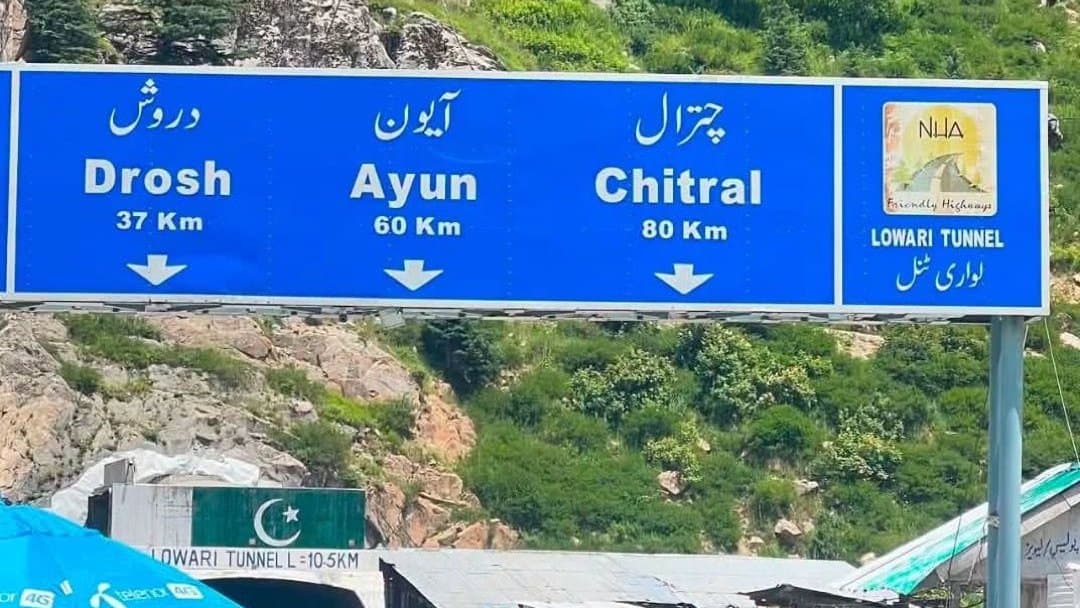
The hour-long flight over the Lowari, with Tirich Mir — 7,708 metres, the highest mountain in the Hindu Kush — filling the window on a clear morning. It is a small aircraft on a visual approach and it cancels in cloud; if it does we drive through the Lowari tunnel instead, which is seven hours and no hardship. Afternoon in Chitral: the fort, the bazaar and the polo ground in town, which is where the Chitral side trains.
Day 3Chitral to the Kalash valleys

Two hours by jeep up a side valley into Rumbur or Bumburet — the Kalash valleys, home to the last of the Kalasha, who are not Muslim, speak their own language and have kept a calendar of festivals that has nothing to do with anyone else's. You are not here for a Kalash festival this week, and we say so plainly: you are here because it is a remarkable place and because two nights at 2,000 metres is what makes Shandur comfortable later.
Day 4A day in the valleys

On foot between the villages — Balanguru, Grom, the terraced fields and the carved wooden houses stacked up the hillside. Time with a Kalasha family who host visitors, which is arranged in advance and paid for properly. An easy day by design; you gain height tomorrow.
Day 5Over the Shandur Pass to the festival ground — 3,743 m

The long day: back down to Chitral, up the Mastuj road along the Yarkhun river, and then the climb onto Shandur. Six to seven hours in total on a road that is tarmac, then gravel, then not much. The pass opens out into grass and two lakes, and in festival week into a tented city with horse lines, food stalls and several thousand people. Our camp is pitched and waiting. The first afternoon is for doing nothing while you get used to the altitude.
Day 6Festival day — the group matches

Polo from the morning: the smaller teams, the freestyle matches, the junior sides. Between games there is everything else the festival has become — the horse lines, the folk music, the Chitrali dancing in the evening. Watching from the bank on the north side puts the mountains behind the pitch, which is where the photographs are.
Day 7Festival day — Gilgit against Chitral
The final. Two teams, six a side, two chukkas of twenty-five minutes with no substitutions, so a man who comes off stays off. The ball is played from where it lies. The crowd is close enough to the boards to feel the ground go. Whichever way it ends, the losing valley has a year to think about it. The evening is the closing ceremony, and then the camp.
Day 8Shandur to Gilgit

Down the eastern side through Phander and its lake, the Ghizer valley and the Gilgit river, six hours of the best road in the country to drive and one of the least driven. Gilgit for the night, and a hotel room after three under canvas.
Day 9Gilgit to Naran, or fly to Islamabad
Two ways home and we take whichever the weather gives us. The flight from Gilgit to Islamabad is fifty minutes and spectacular and frequently cancelled. The road is the Karakoram Highway down the Indus gorge past Nanga Parbat to Naran, which is a full day and a fine one. Either way you are in a hotel that night.
Day 10Islamabad and onward
Into Islamabad by late morning if you drove, with a day room at the hotel and time for Faisal Mosque or the Saidpur village lanes before an evening flight.
What’s included
- Islamabad to Chitral flight, with the road via Lowari held in reserve if it cancels
- Hotels in Islamabad, Chitral, Gilgit and Naran, twin share, breakfast included
- Full-service camping at Shandur — two-person tents, mattresses, mess tent, kitchen and camp crew
- All meals from Chitral to Gilgit, including all three days at the festival
- All road transport, 4x4 jeeps where the road requires them
- English-speaking guide throughout, and a local guide in the Kalash valleys
- Festival entry, camping fees and all permits
- Airport transfers at both ends
Not included
- International flights to and from Islamabad
- Pakistan visa, currently around US$ 100 — see our visa guide
- Travel insurance, which should cover trekking and camping to 4,000 metres
- Lunch and dinner in Islamabad
- Sleeping bag — bring one rated to 0 °C or hire in Chitral
- Tips, personal expenses and anything not listed above
Good to know
**The dates are not ours to set**
The Shandur Polo Festival is fixed each spring by the Gilgit-Baltistan and Khyber Pakhtunkhwa administrations, and it lands in the first week of July. The exact days are usually announced two to three months out. We hold the shape of this itinerary and confirm the dates as soon as they are published, which means booking flights before the announcement carries a risk — ask us before you do.
**Camping at 3,700 metres**
There is no accommodation on the pass. None. Everybody camps, including the teams. Our camp has two-person tents with mattresses, a mess tent, our own kitchen and a crew who stay with it. July days on the pass are warm in the sun and the nights go close to freezing. A sleeping bag rated to 0 °C is the single most useful thing in your bag, and there is nowhere to buy one after Chitral.
Altitude is the reason this trip goes the long way round. Shandur at 3,743 metres is high enough to give an unacclimatised person a bad night, and the common mistake is to drive up from Gilgit at 1,500 metres in a morning. Our route has you sleeping at 1,500, then 2,000, then 2,000 again before the pass, which is what a comfortable festival looks like.
**What the polo is actually like**
Free-style polo, the pre-modern game: six a side, two chukkas of twenty-five minutes, no substitutions and almost no stoppages. A player who scores may take the ball from the halfway line and ride it in himself. It is fast, it is rough, and the horses are the valley's own rather than imported ponies. If you have watched polo on a lawn in England, this is a different sport with the same name.
**Getting to Chitral**
The flight is one hour and it is the good way. It is also a visual approach in a small aircraft and it cancels whenever the cloud is in, sometimes for days in a row during monsoon. We build the road option into the plan rather than treating it as a failure: through the Lowari tunnel, seven hours, and a good drive in its own right.
**Photography**
Bring more battery than you think and something longer than a phone. The light on the pass is hard and clean, the action is fast, and there is no power at Shandur beyond what our solar panels put out. Ask before photographing people closely, particularly in the Kalash valleys, where the answer is often yes and being asked matters.
Questions about this trip
When is the Shandur Polo Festival held?
The first week of July every year. The exact dates are fixed each spring by the Gilgit-Baltistan and Khyber Pakhtunkhwa authorities and usually announced two to three months in advance. The festival runs for about three days, with the Gilgit against Chitral final on the last afternoon. Our itinerary is shaped around it and the dates confirm when the announcement comes.
How high is the Shandur polo ground?
3,743 metres. It is the highest polo ground in the world. The pass is open grass with two lakes on it, there is no village and no permanent building, and for festival week a tented city appears on the turf. You sleep at that altitude for three nights on this trip, which is why we route in via Chitral and the Kalash valleys rather than driving up from Gilgit in a morning.
Where do you stay at Shandur?
In tents, because there is nothing else. We run a full-service camp — two-person tents with mattresses, a mess tent, our own kitchen and crew. Days on the pass are warm in July sun and nights drop close to freezing, so bring a sleeping bag rated to 0 °C. There is nowhere to buy or hire one past Chitral.
What kind of polo is played at Shandur?
Free-style polo, the game as it was before it was codified: six a side, two chukkas of twenty-five minutes, no substitutions, and the ball played from wherever it stops. A player who scores can carry the ball in from the halfway line himself. The horses are local. It is considerably rougher and faster than the lawn game of the same name.
Is the Shandur festival suitable for children or older travellers?
The walking is minimal and the days are not hard, so fitness is rarely the issue. Altitude and camping are. Three nights at 3,743 metres under canvas suits an active twelve-year-old and suits plenty of people in their seventies, but it does not suit anyone with a heart or lung condition that altitude would aggravate. Tell us about it and we will give you a straight answer rather than a brochure one.
Why go via Chitral rather than up from Gilgit?
Acclimatisation, and the Kalash valleys. Driving from Gilgit at 1,500 metres to sleeping at 3,743 metres in one afternoon is how people spend the final match in their tent with a headache. Our route puts three nights between 1,500 and 2,000 metres in first. It costs a day and it is the difference between watching the festival and enduring it.
Can I combine Shandur with the Kalash festivals?
Not in the same week — Shandur is the first week of July and the Kalash calendar runs Chilam Joshi in May, Uchal in August and Chaumos in December. This trip spends two nights in the Kalash valleys on the way through, which is the valleys without a festival on. If you want both properly, our Hindu Kush Tour links Swat, Chitral, the Kalash valleys and the Shandur Pass over a longer itinerary.
You might also consider
 Hunza Valley Cherry Blossom TourTen days through Hunza and Nagar in the two weeks the valley turns white and pink — apricot first, then cherry, moving up the valley with the altitude. Karimabad, Duikar and the Khunjerab Pass.From US$ 1,180
 Kalash Uchal Harvest FestivalThe Kalasha harvest festival in late August — the herds come down from the high pastures, the wheat is in, and the valleys dance for three days with almost nobody watching. The quiet one.From US$ 1,650
 Hunza Valley Autumn TourThe five weeks when Hunza's poplars go gold and the apricot orchards turn red, the air clears and Rakaposhi comes out from behind the summer haze. Ten days through Nagar, Karimabad and Gojal.From US$ 1,280
Enquire about this trip
Tell us who is travelling and roughly when. A trip planner — not a call centre — replies within three hours between 9am and 11pm Pakistan time with a day-by-day itinerary and the full price, per person, with nothing hidden underneath it.
- Every itinerary written from scratch around your dates.
- Licensed operator, running these routes since 2014.
- A full costing up front — no deposit to see one.
- +92 310 5344471
- info@elhamasia.com
- 9am – 11pm PKT, seven days a week
- Office No. 227, Rohtas Road, G-9/1, Islamabad, Pakistan