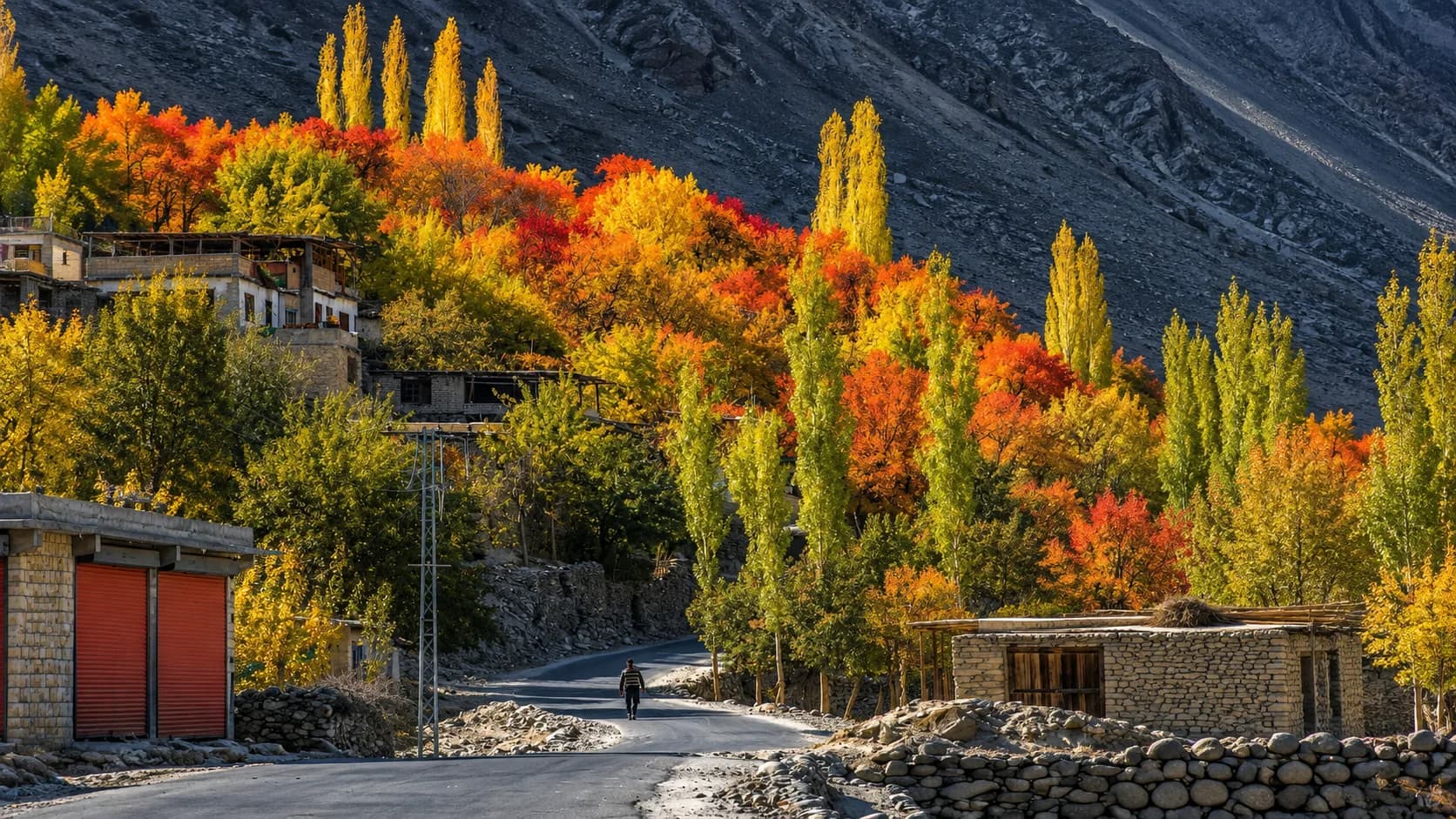
Surrounded by 7,000-meter peaks and ancient stone forts, the Hunza Valley is the crown jewel of Gilgit-Baltistan. However, unlike tropical destinations, the Karakoram Mountains experience drastic seasonal shifts. The landscape, road access, and temperatures change entirely from month to month.
Because domestic flights are weather-dependent and the high-altitude mountain passes close during the winter snows, timing your trip correctly is the single most important decision you will make. Whether you are a photographer chasing the fall colors or a family looking for a summer road trip, here is everything you need to know about the best time to visit Hunza Valley in 2027.
Quick Answer:
The best time to visit the Hunza Valley in Pakistan is during the
Spring Blossom season (late March to April)
or the
Autumn Color season (October to mid-November)
for incredible photography and mild weather.
Summer (June to August)
is the most popular time for families because the warm weather fully opens the Babusar Pass for road trips.
Spring in Hunza (March to May): The Blossom Season
Spring is arguably the most magical time to be in Hunza. As the winter snows begin to melt in the lower valleys, millions of apricot, cherry, and apple trees erupt into pink and white blossoms against the backdrop of snow-covered peaks like Rakaposhi.
- Weather: Daytime temperatures are crisp and comfortable (10°C to 18°C), but nights remain very cold, often dropping near freezing in early spring.
- Road Access: The Babusar Pass remains closed due to heavy winter snow. You must travel via the lower-altitude Karakoram Highway (KKH) through Besham, or fly directly into Skardu or Gilgit.
- Best For: Landscape photographers, cultural travelers, and those looking to avoid the heavy summer crowds.
Summer in Hunza (June to August): High Season
Summer is the peak tourist season in northern Pakistan. The high-altitude lakes are fully thawed, the glacier melt swells the Hunza River, and the days are long and warm. This is when the region sees the most domestic tourism.
- Weather: Warm and sunny. Daytime temperatures in central Hunza (Karimabad) can reach 25°C to 30°C, making it perfect for light hiking.
- Road Access: The 4,173-meter Babusar Pass officially opens (usually by late June), drastically cutting down the driving time from Islamabad to the north.
- Best For: Families, road trippers, and those looking to secure a spot on a dedicated Hunza Valley tour.
Autumn in Hunza (September to November): The Golden Season
If you ask our local guides when they prefer the valley, most will say autumn. Starting in October, the poplar and apricot trees transform the valley floor into a vibrant sea of gold, orange, and red. The skies are generally free of summer haze, offering the sharpest, clearest views of the Karakoram giants.
- Weather: The weather cools down rapidly. October days hover around 15°C, but by November, night temperatures regularly drop below zero. (Always pack a down jacket).
- Road Access: The Babusar Pass typically remains open until late October or the first major snowfall.
- Best For: Serious photographers, couples, and travelers who want clear mountain views without the summer humidity.
Winter in Hunza (December to February): The Quiet Season
Winter in Gilgit-Baltistan is harsh. Temperatures plummet well below freezing (-10°C is common in central Hunza), and heavy snow can temporarily block local roads. While many hotels and restaurants close for the season, a winter visit offers absolute solitude and the striking beauty of frozen lakes and snow-draped forts.
Month-by-Month Guide: Weather & Road Conditions
Before planning your itinerary, we highly recommend checking current climate trends via the Pakistan Meteorological Department and road statuses via the National Highway Authority (NHA).
| Month | Season / Vibe | Babusar Pass Status |
|---|---|---|
| March & April | Spring Blossom (Stunning florals) | Closed (Travel via Besham/KKH) |
| May | Late Spring (Green and warming) | Closed |
| June | Early Summer (Lakes thawing) | Opens late June |
| July & August | High Summer (Warm, busy, lush) | Open |
| September | Late Summer (Cooling down, quiet) | Open |
| October & Nov | Autumn (Golden colors, very crisp) | Closes late Oct / early Nov |
| Dec to Feb | Winter (Freezing, snow, empty) | Closed |
Frequently Asked Questions
Do I need a jacket if I visit Hunza in the summer? Yes. While daytime temperatures in the sun can be quite warm, mountain weather is unpredictable. Once the sun drops behind the peaks, the temperature drops rapidly. Always pack a fleece or light down jacket, even in July.
When exactly does the cherry blossom happen? The blossom relies entirely on the end-of-winter temperatures, but it typically peaks between the last week of March and the second week of April. Because different villages sit at different altitudes, the bloom moves up the valley over a three-week period.
Are flights to Gilgit reliable? Flights from Islamabad to Gilgit (the closest airport to Hunza) are strictly visual mountain flights. This means they are highly subject to weather cancellations. We always recommend building a buffer day into your itinerary or being prepared to drive the Karakoram Highway if your flight is grounded.
Is the Karakoram Highway safe to drive? Yes. The main sections of the Karakoram Highway leading up to central Hunza and the Chinese border are fully paved, highly maintained, and secure. However, mountain driving requires immense skill, which is why we always utilize experienced local drivers for our guided Hunza departures.
**Expert Review:** Reviewed for 2027 seasonal accuracy by [Ayesha Malik](https://elhamasia.com/about-us), Trip Planning Lead at Elham Asia. Specializing in Karakoram road logistics, bespoke valley itineraries, and weather-dependent travel planning across Gilgit-Baltistan.