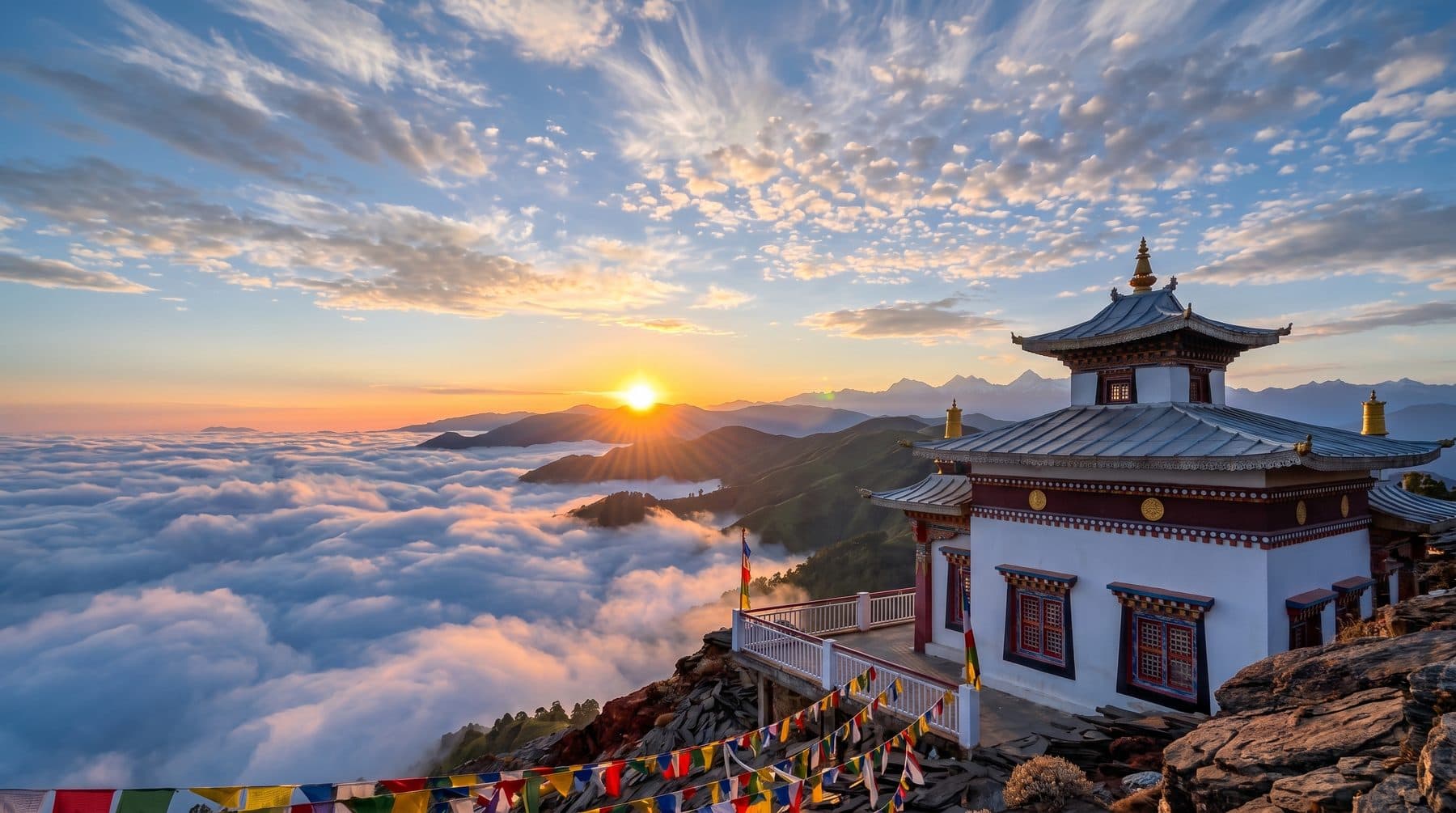
Annapurna Base Camp Trek
- The Sanctuary, 4,130 m
- 14 days, Kathmandu to Kathmandu
- Stairs, not altitude
- Annapurna, Nepal
- Teahouse lodges throughout
- No Lukla flight to miss
- 14-day itinerary
About this tour
The Annapurna Sanctuary is the best-shaped place to walk to in Nepal. It is a glacial basin ringed almost the whole way round by peaks — Annapurna I at 8,091 metres at the head of it, Annapurna South, Hiunchuli, Gangapurna and Machhapuchhre, the fishtail mountain that has never been climbed because Nepal will not permit it. You stand at 4,130 metres in the middle and turn through 360 degrees, and there is a mountain wall in every one of them. Everest Base Camp has a better summit at the end. This has a better room.
Getting there is a trek of two halves and the first half surprises people. You start at 850 metres in Pokhara, in subtropical farmland, and climb through rhododendron forest and terraced Gurung villages on stone staircases that were built for porters and mules and have been in use for centuries. In late March and April the rhododendron is in flower and the forest above Ghorepani is red for a fortnight. Then the valley narrows, the farmland stops, and the last two days climb a corridor between rock walls into the Sanctuary itself.
Our itinerary goes in by way of Ghorepani and Poon Hill, which adds two days and is worth both. Poon Hill at 3,210 metres gives you a dawn with Dhaulagiri at 8,167 metres on one side and the whole Annapurna range on the other — the widest single view on the trek, and one you do not get on the direct route up the Modi Khola.
This is the trek to choose over Everest Base Camp if you would rather walk through country where people live than across moraine, if 4,130 metres suits you better than 5,545, and if you would rather not stake a fortnight on a flight into Lukla. It is not the easier trek that reputation suggests, and the reason is in the next section.
Trip highlights
Standing in the Sanctuary
4,130 metres in a glacial basin with mountain on almost every bearing — Annapurna I at 8,091 m at the head, Annapurna South and Hiunchuli on one side, Machhapuchhre on the other. There is no other viewpoint in Nepal that surrounds you like this one.
Dawn on Poon Hill
3,210 metres, reached in the dark from Ghorepani, for Dhaulagiri at 8,167 m to the west and the Annapurnas to the east from the same spot. The direct route into the Sanctuary skips it, which is two days saved and the best wide view on the trek lost.
Gurung villages and rhododendron forest
Ghandruk and Chhomrong are working hill villages of slate roofs and stone terraces, not trailhead settlements. Above them the forest flowers red through late March and April, which is the fortnight photographers plan the whole trip around.
Machhapuchhre, which nobody has climbed
6,993 metres, sacred to the Gurung, closed to climbing since 1957 and unsummited. You walk directly beneath it for two days and camp at its base camp at 3,700 m.
The hot springs at Jhinu Danda
Stone pools beside the Modi Khola, twenty minutes below the village, on the second-to-last walking day. After eight days of stone staircases this is not a novelty.
Route
- 1 Start
- 2 Stop in order
- 9 Finish
- Route travelled
Loading map…
At a glance
- The Sanctuary, 4,130 mA glacial amphitheatre ringed by Annapurna I, Annapurna South and Machhapuchhre.
- 14 days, Kathmandu to KathmanduTen on the trail, by way of Ghorepani and Poon Hill.
- Stairs, not altitude1,400 m lower than Everest Base Camp, and harder on the legs.
- Annapurna, NepalPokhara, Ghorepani, Chhomrong, Machhapuchhre Base Camp.
- Teahouse lodges throughoutDormitory beds at the top two lodges in peak season — see Good to know.
- No Lukla flight to missA road start from Pokhara, which is the other reason people choose this over Everest.
Day by day
Day 1Arrive Kathmandu, 1,300 m
Met at the airport and driven to the hotel. Kit check with the guide in the afternoon — on this trek the thing worth checking is your boots, because you are about to descend several thousand stone steps in them and blisters start on the way down, not the way up.
Day 2Kathmandu to Pokhara, 850 m
Twenty-five minutes by air with the Annapurnas along the right-hand side the whole way, or six to seven hours by road through the hills. Pokhara sits on Phewa Lake with Machhapuchhre standing over it, and the afternoon is free — it is the last hot shower and the last flat ground for ten days.
Day 3Drive to Nayapul and trek to Tikhedhunga, 1,540 m
An hour and a half by road to the trailhead, then four hours up the Bhurungdi Khola through rice terraces and subtropical farmland. Warm, green, and nothing like the mountains you came for — which is the point of this trek, that it starts in country where people live and work.
Day 4Tikhedhunga to Ghorepani, 2,870 m
The hardest day on the way in, and the one nobody warns you about: roughly 3,300 stone steps up to Ulleri before the trail relents into rhododendron forest. Six to seven hours. In late March and April this is the fortnight the forest is red.
Day 5Poon Hill, 3,210 m, at dawn — then to Tadapani, 2,630 m
Up at half past four for a headtorch climb of about an hour to Poon Hill for sunrise: Dhaulagiri at 8,167 m to the west, Annapurna South, Hiunchuli and Machhapuchhre to the east, all from one small summit. Back for breakfast, then five hours contouring through forest to Tadapani.
Day 6Tadapani to Chhomrong, 2,170 m
Five to six hours down through forest to Kimrong Khola and back up the other side, which is the pattern of this trek in miniature. Chhomrong is the largest Gurung village on the route, terraced down a hillside, with Annapurna South filling the view from the top of it and the last bakery on the trail.
Day 7Chhomrong to Dovan, 2,600 m
The valley narrows and the character changes. Down several hundred steps to the Chhomrong Khola, up the far side, and then the trail commits to the Modi Khola gorge — bamboo, then rhododendron, then the walls closing in. Five to six hours, with waterfalls and very little sky.
Day 8Dovan to Machhapuchhre Base Camp, 3,700 m
Five hours climbing the corridor past Hinku Cave and Deurali, where the tree line ends and the gorge opens into the Sanctuary gate. This is the section that closes after heavy snow — see Good to know. Machhapuchhre Base Camp sits directly under the fishtail, and the afternoon is spent moving slowly and drinking.
Day 9Machhapuchhre to Annapurna Base Camp, 4,130 m, and sunset
A short day on purpose: two hours and 430 metres up into the Sanctuary itself, arriving before lunch so you have the whole afternoon at altitude rather than a dash. Annapurna I stands 4,000 metres above you at the head of the basin. The sunset lights Annapurna South first and the summit of Annapurna I last, and the temperature drops the moment the light goes.
Day 10Sunrise at base camp, then down to Bamboo, 2,310 m
Out of the lodge in the dark for the reverse of last night — first light on Annapurna I, the basin still in shadow. Then breakfast and a long descent, six to seven hours, losing 1,800 metres back down the gorge. Knees, rather than lungs, are the limiting factor from here on.
Day 11Bamboo to Jhinu Danda, 1,780 m, and the hot springs
Five hours back through Chhomrong and down to Jhinu, then twenty minutes further down to the stone pools beside the Modi Khola. The springs are the reason this village is on the itinerary and the reason nobody minds the climb back up to the lodge afterwards.
Day 12Jhinu Danda to Pokhara
Two to three hours down to the road at Siwai or Nayapul, then an hour and a half by jeep to Pokhara. A hotel, a shower, laundry, and an evening by the lake that traditionally runs late.
Day 13Pokhara to Kathmandu
Fly or drive back, with the afternoon free. Dinner with the crew, which is when the guides tell you what they actually thought of the group.
Day 14Depart Kathmandu
Transfer to the airport for your onward flight. With a spare day, Bhaktapur is forty minutes away and is the best-preserved of the three Kathmandu valley durbar squares.
What’s included
- CONFIRM — Kathmandu–Pokhara–Kathmandu flights, or the road transfer if that is what the price covers
- Two nights in Kathmandu, two in Pokhara and nine in teahouse lodges on the trail
- All meals on trek — breakfast, lunch and dinner from Nayapul to Nayapul
- A licensed English-speaking guide for the whole trek
- Porters, one between two trekkers, with a capped load and rescue insurance
- Annapurna Conservation Area Project permit and the trekkers' registration card
- All ground transport and airport transfers in Nepal
- Staff wages, insurance and equipment
Not included
- International flights to and from Kathmandu
- Nepal visa, issued on arrival
- Travel insurance — which must cover trekking to 4,500 m and helicopter evacuation
- Meals in Kathmandu and Pokhara other than breakfast
- Drinks, hot showers, wifi, battery charging and laundry on the trail
- Tips for the guide and porters
- Single-room supplement, where the lodge can provide one
Good to know
It is stairs, and that is the whole difficulty
Everyone arrives having read that Annapurna Base Camp is the easy one because it only reaches 4,130 metres. The altitude is easier. The walking is not. This trail is stone staircases built for porters, and you go up and down them for eight days — the climb to Ulleri alone is somewhere around 3,300 steps, and the descent from the Sanctuary loses 1,800 metres in a day.
If you train for one thing, train on stairs, downhill included. The people who struggle here are almost never short of cardiovascular fitness; they have quadriceps and knees that have never done four hours of descent in a row. Trekking poles are not optional on this trek and we will keep saying so.
Avalanche, and the one thing we will cancel for
The corridor between Hinku Cave and Deurali on day eight runs under steep slopes, and it has a real avalanche history — people have been killed in it, including in the 2014 storm. After heavy snow the route into the Sanctuary closes, and when it is open after fresh snow it is crossed early in the morning and quickly.
We take the guide's decision on this without argument and so should you. If the Sanctuary is shut we walk the Ghorepani and Ghandruk circuit instead, which is a good trek in its own right, and nobody is charged for the difference. What we will not do is put a group into that corridor on a bad day because the itinerary says day eight.
The top two lodges, and what a bed means there
Machhapuchhre Base Camp and Annapurna Base Camp have a handful of lodges between them and no alternative for hours in either direction. In October and April they fill, and a bed can mean a dormitory bunk in a room of eight rather than a twin. That is the arrangement at the top of this trek for everyone, at every price, and an operator promising you a private room at 4,130 metres in peak season is promising something they cannot control.
Everywhere lower down is twin share. Bring a sleeping bag rated to about minus ten: the lodges have no heating in the rooms and the Sanctuary is cold as soon as the sun leaves it, which happens early because of the walls.
Altitude — lower, but not nothing
4,130 metres is high enough to feel and high enough to matter. The profile is gentler than Everest Base Camp but the last two days gain height quickly, which is why day nine is deliberately short. Headache and broken sleep at the Sanctuary are common. Vomiting that will not stop, confusion, a headache that does not lift, or any loss of coordination mean going down, at once. The descent is fast from here, which is one of the genuine safety advantages of this trek.
Leeches, if you come in the wet
Between June and mid-September the lower forest has leeches, in numbers. They are harmless and deeply unpleasant. We do not run this trek in the monsoon, and if you are being sold it then, that is why the price is low.
Water, and what to spend
Buy boiled water from the lodges or treat your own — bottled water is banned in much of the conservation area and rightly so. Budget roughly US$ 10 to 20 a day for drinks, charging, wifi and hot showers, all of which cost more the higher you go. Carry rupees in cash; Chhomrong is the last place with any kind of reliable machine and nothing above it takes a card.
Permits
The Annapurna Conservation Area Project permit and the trekkers' registration card, both included and both arranged by us in Kathmandu or Pokhara before you start.
Questions about this trip
Is Annapurna Base Camp easier than Everest Base Camp?
Lower, not easier. The Sanctuary is 4,130 metres against 5,545 at Kala Patthar, so altitude is a much smaller factor and the descent to help is far quicker. But the walking is harder: this trail is stone staircases, tens of thousands of steps up and down over eight days, and the climb to Ulleri alone is around 3,300 of them. People who found Everest Base Camp fine on the legs and hard on the lungs usually find this the other way round.
How high is Annapurna Base Camp?
4,130 metres, in a glacial basin ringed by Annapurna I at 8,091 m, Annapurna South, Hiunchuli, Gangapurna and Machhapuchhre. The night before is spent at Machhapuchhre Base Camp at 3,700 m, and the itinerary keeps the final day short — two hours, 430 metres — so you arrive before lunch and spend the afternoon acclimatising rather than racing the light.
When is the best time for the Annapurna Base Camp trek?
March to early May and October to early December. Spring brings the rhododendron, which flowers red through the forest above Ghorepani for roughly a fortnight in late March and April, and slightly hazier mountain views. Autumn gives the clearest air and the most reliable weather, with cold nights at the Sanctuary. We do not run it in the monsoon, June to mid-September: the views are gone, the trail is wet and the lower forest has leeches in numbers.
Do I need to worry about avalanches?
You need to know about them, which is not the same as worrying. The corridor between Hinku Cave and Deurali runs beneath steep slopes and has a genuine avalanche history, including fatalities in the 2014 storm. After heavy snow the route into the Sanctuary closes; when it is open after fresh snow it is crossed early and quickly. If it is shut we walk the Ghorepani and Ghandruk circuit instead and nobody is charged for the change. The guide's call on this is final.
What are the lodges like at the top?
Machhapuchhre Base Camp and Annapurna Base Camp have a handful of lodges between them and nothing else within hours. In October and April they fill, and a bed there can mean a bunk in a dormitory of eight rather than a twin room. That is true of every group at every price, and any operator promising a private room at 4,130 metres in peak season is promising something they do not control. Everywhere lower down is twin share.
Is Poon Hill worth the extra two days?
Yes, and it is the main thing separating our itinerary from the cheaper ones. The direct route up the Modi Khola reaches the Sanctuary faster and never gives you a wide view — the gorge has walls. Poon Hill at 3,210 metres puts Dhaulagiri at 8,167 m on one side and the whole Annapurna range on the other from a single spot at dawn. It also adds useful height before the Sanctuary.
How fit do I need to be?
Fit enough to walk five to seven hours on consecutive days, and specifically trained on stairs — including going down them. Descent is what hurts on this trek, and quadriceps and knees that have never done four hours of it in a row are the usual reason someone has a miserable week. Trekking poles make a large difference and we treat them as standard kit rather than an optional extra.
Can I see Machhapuchhre, and has anyone climbed it?
You walk directly beneath it for two days and sleep at its base camp at 3,700 m. Nobody has stood on the summit. A 1957 British expedition stopped around 50 metres short by agreement, and the mountain has been closed to climbing ever since because it is sacred to the Gurung. It is the most recognisable peak in Nepal and the only major one that has never been summited.
What insurance do I need?
A policy that covers trekking to at least 4,500 metres and helicopter evacuation. Standard travel policies often exclude both. The Sanctuary is remote enough that a walk-out with an injury takes days, and helicopter rescue from Annapurna Base Camp is routine and expensive. We ask for the policy number and the emergency line before you travel.
How much spending money should I bring?
Roughly US$ 10 to 20 a day on the trail for drinks, charging, wifi and hot showers, plus tips for the guide and porters at the end. Carry it as Nepali rupees in cash — Chhomrong is the last village with anything resembling a reliable cash machine, and nothing above it takes a card. Prices climb with altitude because everything up there was carried.
You might also consider
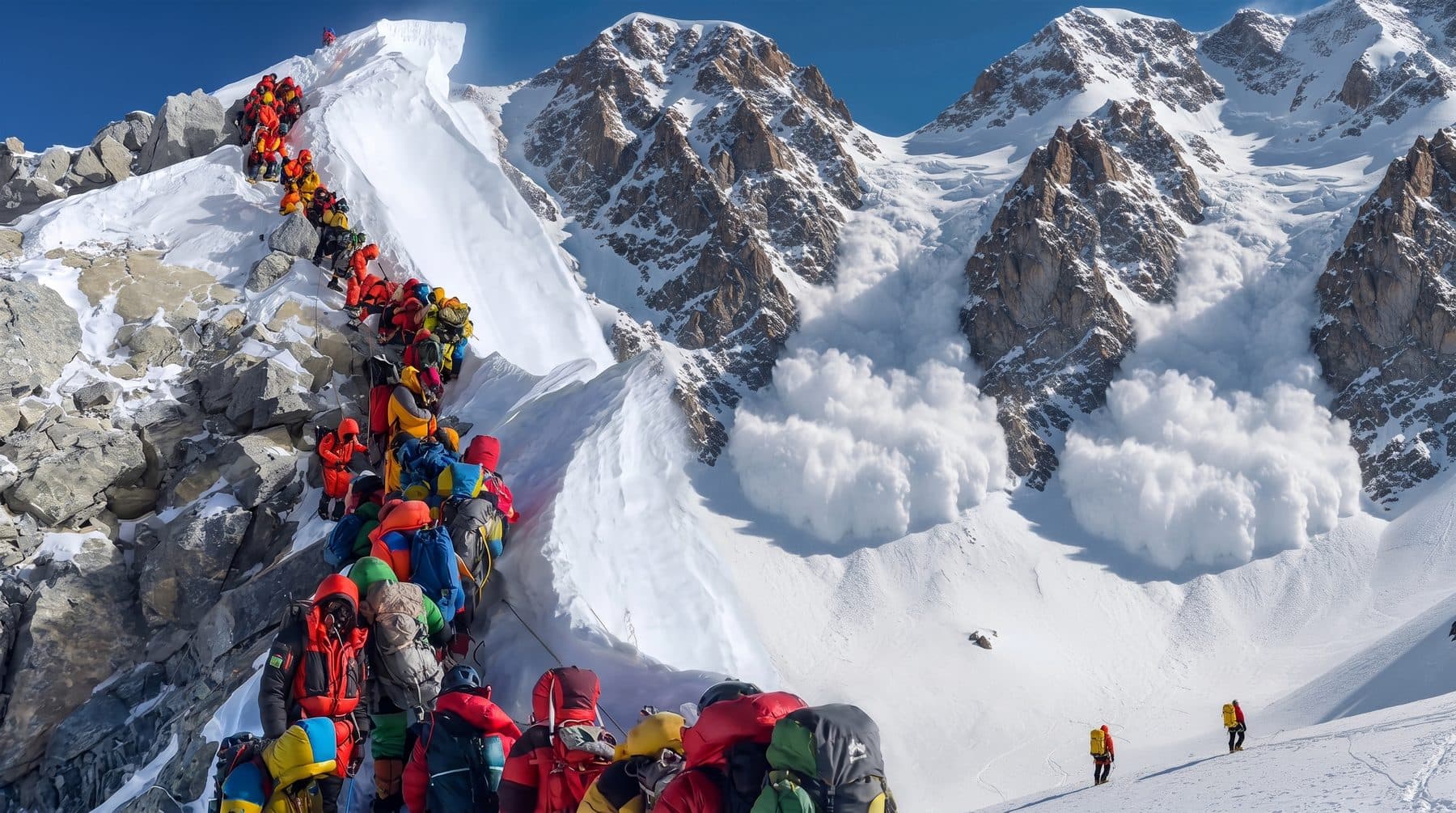 Island Peak with Everest Base CampThe Everest Base Camp trail and a 6,189 m summit in one trip — ropes, crampons, a skills day at Chhukung and full climbing support.From US$ 2,050
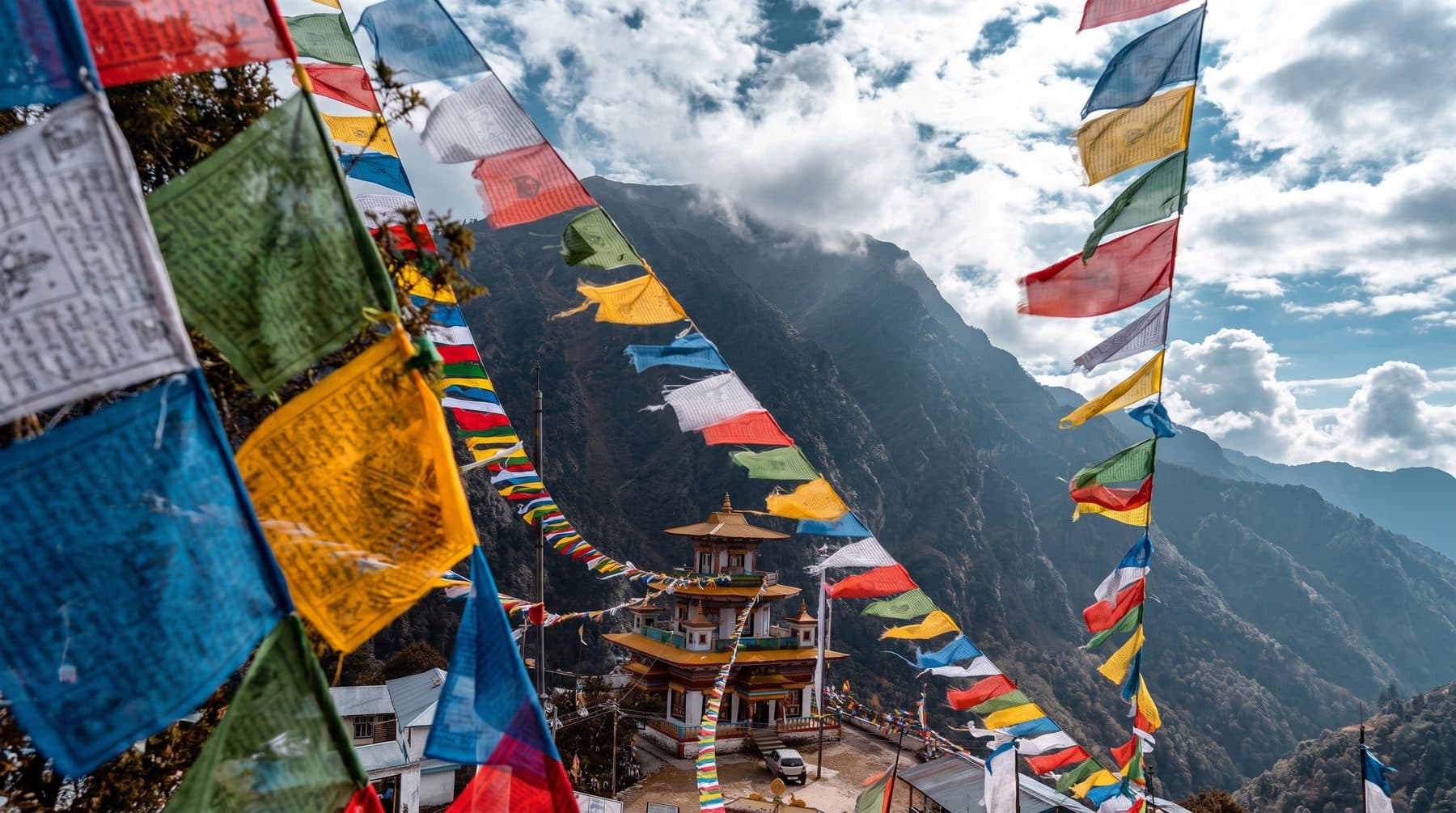 Manaslu TrekAround the eighth-highest mountain on earth — the Budhi Gandaki gorge, Tibetan villages, the Larkya La at 5,106 m and a fraction of the crowds.From US$ 2,300
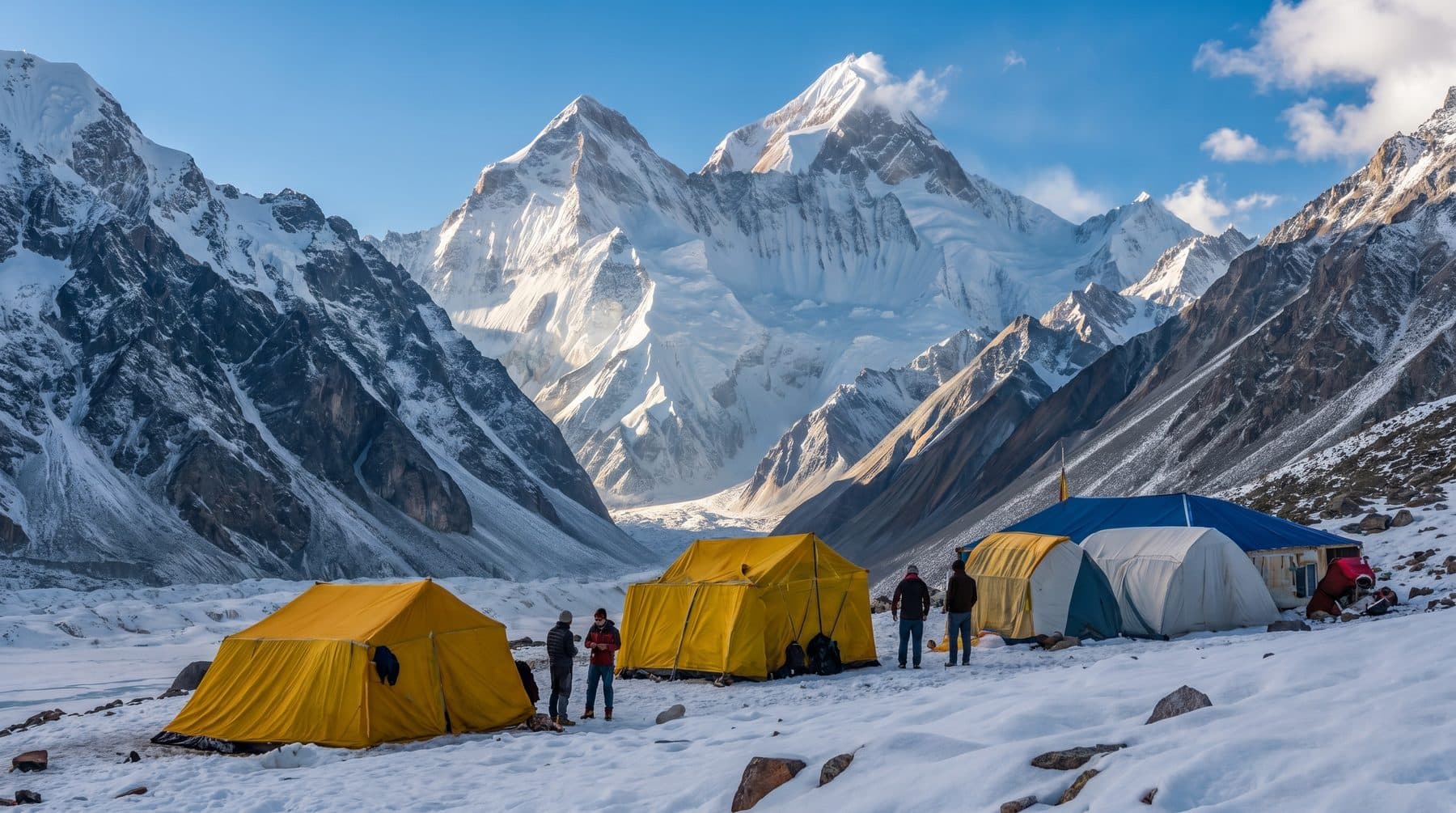 Everest Base Camp TrekThe world's most famous trail — Namche, Tengboche and Kala Patthar's Everest panorama, walked at a pace that gets people there.From US$ 1,850
Enquire about this trip
Tell us who is travelling and roughly when. A trip planner — not a call centre — replies within three hours between 9am and 11pm Pakistan time with a day-by-day itinerary and the full price, per person, with nothing hidden underneath it.
- Every itinerary written from scratch around your dates.
- Licensed operator, running these routes since 2020.
- A full costing up front — no deposit to see one.
- +92 310 5344471
- info@elhamasia.com
- 9am – 11pm PKT, seven days a week
- Office No. 227, Rohtas Road, G-9/1, Islamabad, Pakistan


