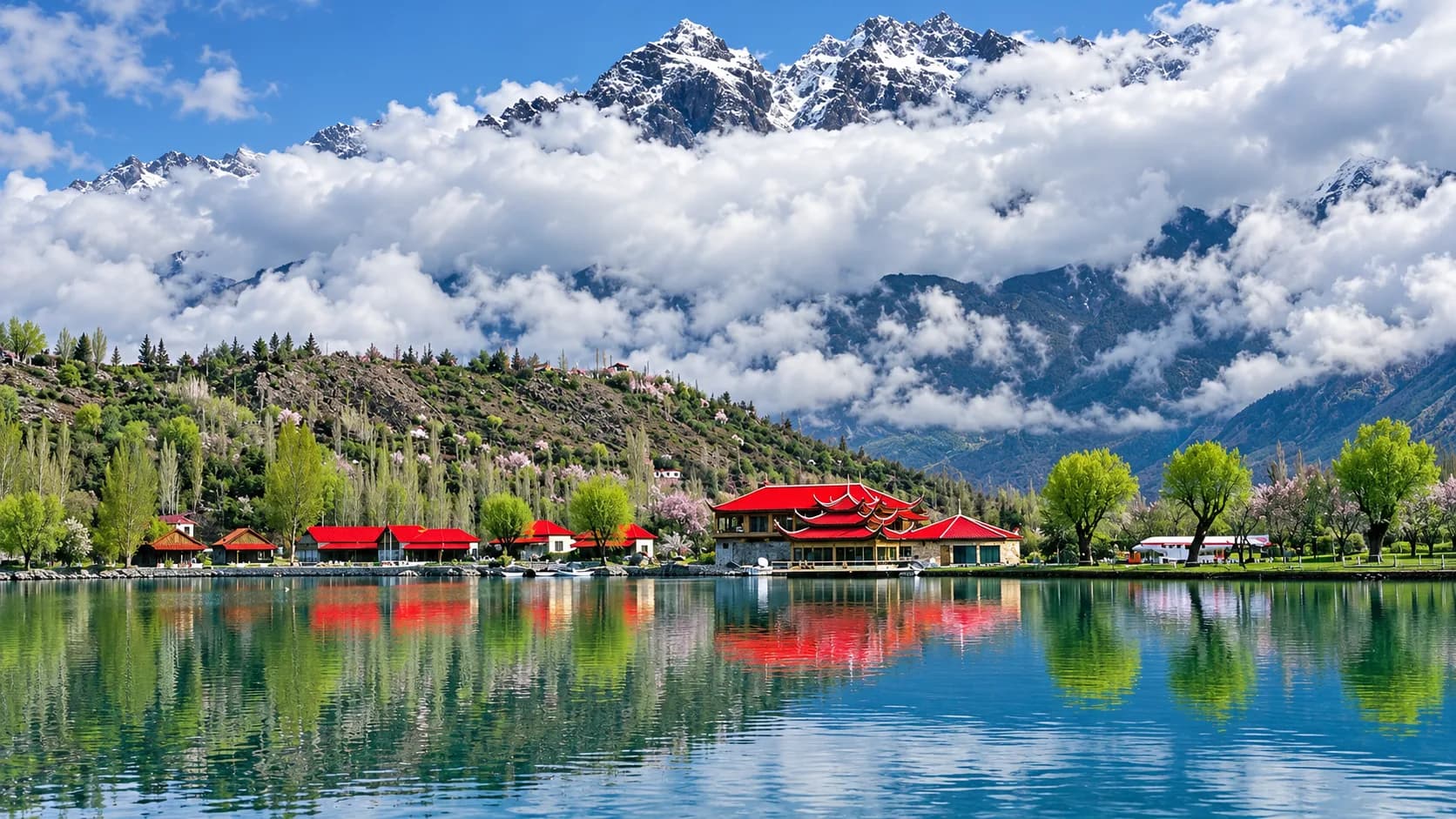
For decades, the global adventure travel map was heavily centralized. If you wanted to see the Himalayas, you went to Nepal. If you wanted alpine infrastructure, you went to the Swiss Alps or Patagonia. But in 2026, the global travel industry is witnessing a significant realignment, and Pakistan's Gilgit-Baltistan region is sitting directly at the center of this shift.
International arrivals to northern Pakistan have surged, driven by a combination of streamlined digital visas, vast improvements to the Karakoram Highway, and a global shift in traveler psychology. Modern explorers are increasingly bypassing the commercialized trails of traditional adventure hubs in search of raw, authentic landscapes. Here is an evidence-based look at why travelers are discovering Gilgit-Baltistan in record numbers.
First-Hand Experience: Who is Traveling to the Karakoram Now?
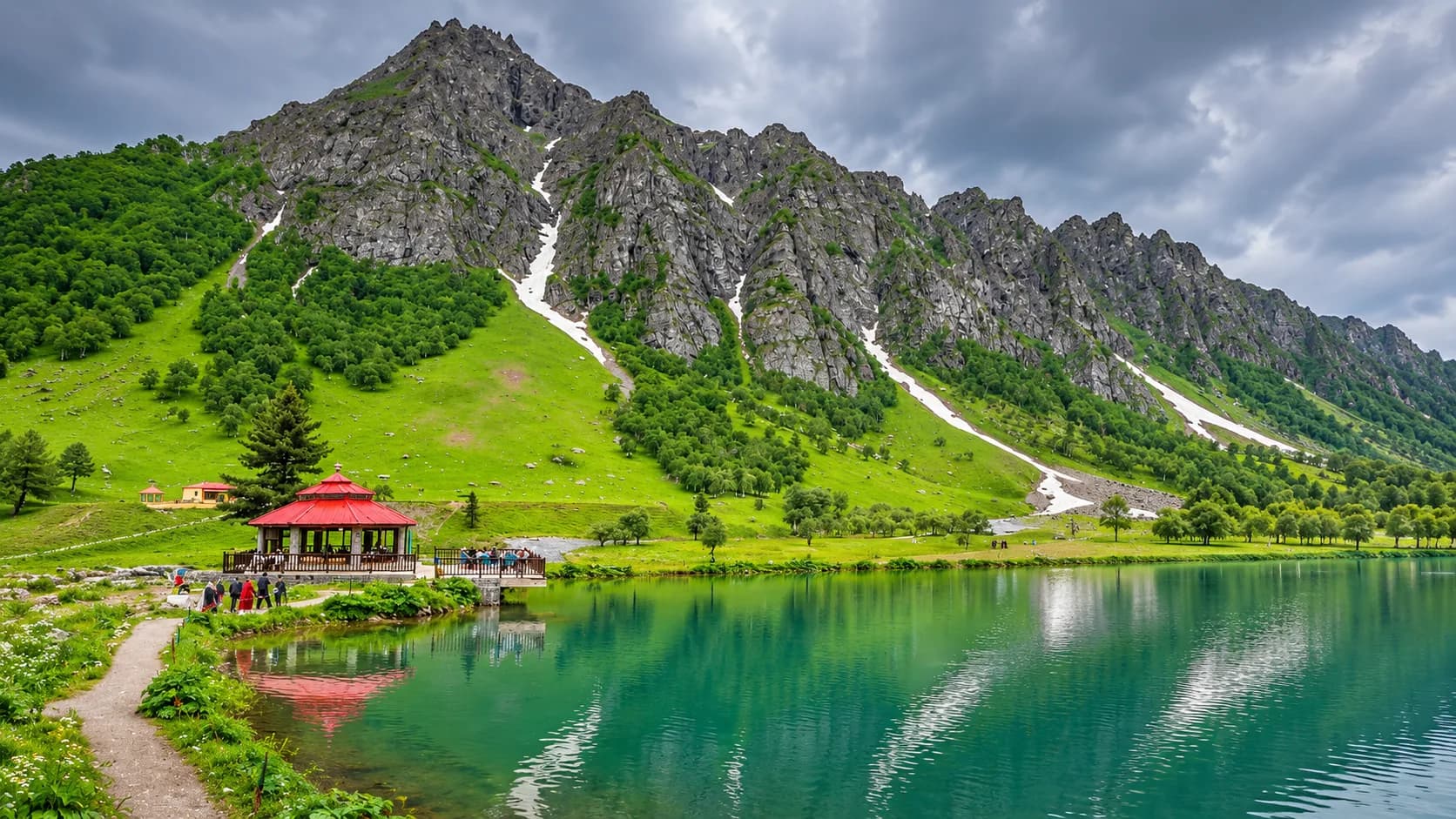
As an expedition planner coordinating Karakoram departures at Elham Asia, I have watched the demographics change rapidly. Five years ago, our international inquiries came almost exclusively from hardcore mountaineers looking to summit 8,000-meter peaks or cross technical glaciers. Today, that is no longer the case.
Based on inquiries and departures handled by our team, we have noticed increasing interest from solo female travelers, eco-conscious hikers, and small-group cultural explorers. They are coming for the world-famous hospitality of the Hunza Valley, the boutique lodges near Skardu, and the uncrowded trails. Travelers frequently tell us: "We wanted to see massive mountains, but we didn't want to stand in a line to do it."
The Numbers: What the Tourism Data Actually Shows
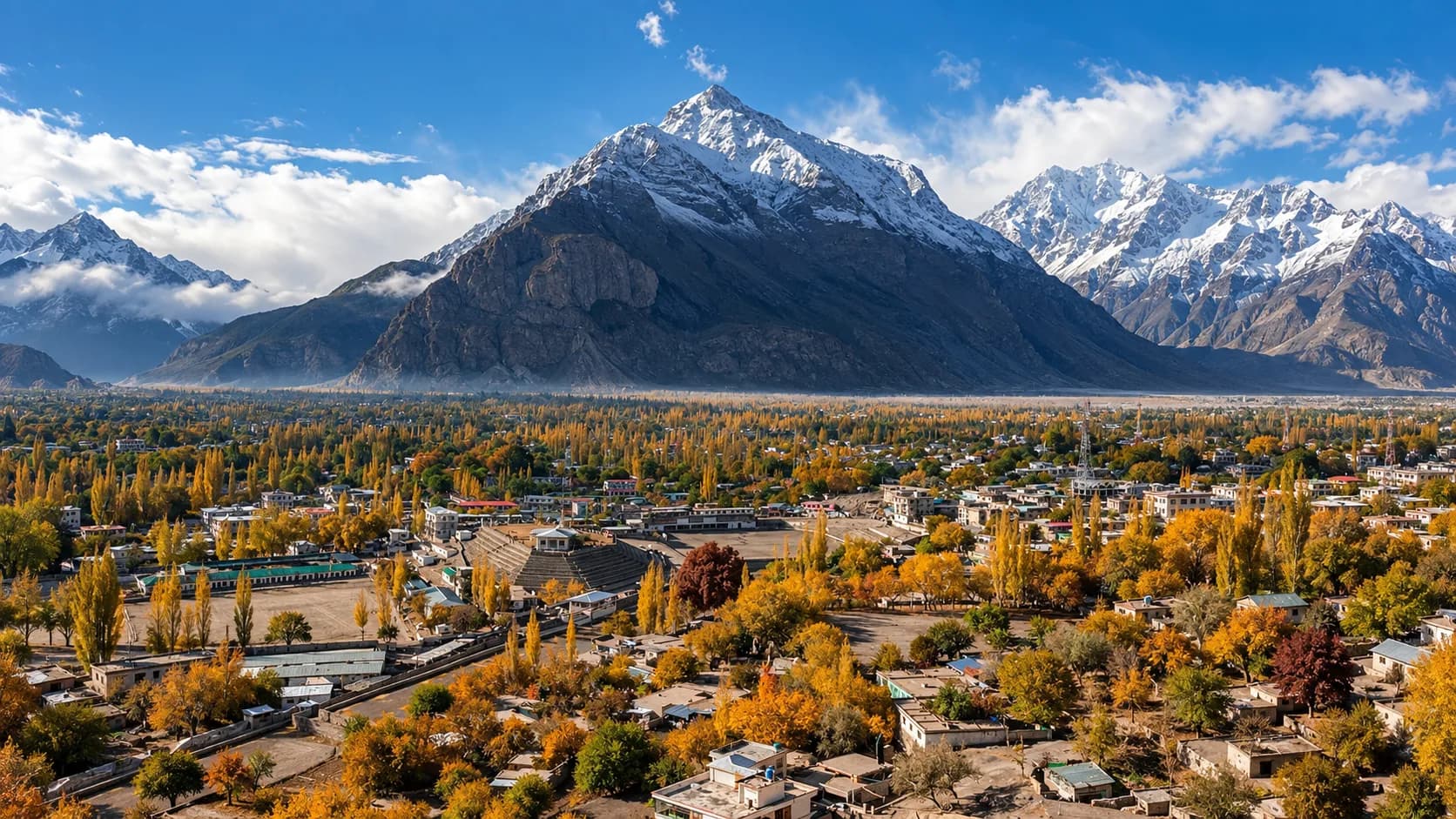
The rise of Gilgit-Baltistan is not just anecdotal; it is backed by striking data. Following post-pandemic recovery efforts, international interest in Pakistan spiked dramatically.
- Regional Growth: According to the Gilgit-Baltistan Tourist Police, international arrivals to the region jumped by 121% between 2023 and 2024 alone, growing from roughly 9,800 to nearly 22,000 foreign visitors.
- National Surge: This regional growth mirrors national statistics, with broader Pakistan tourism reports indicating international arrivals surpassing the 1 million mark in 2025—an estimated 820% increase from previous baseline years.
- Deosai & Baltoro: Specific ecological zones have seen targeted growth. Deosai National Park recorded over 4,000 international visitors in a single summer, while trekking permits for the Baltoro Glacier (leading to K2) have reached sustainable, controlled capacities.
The Visa Revolution: Frictionless Entry
Historically, the biggest barrier to visiting Pakistan was the notorious bureaucratic friction of getting a tourist visa, which often required an expensive Letter of Invitation (LOI) and embassy interviews. That barrier has been drastically lowered.
In August 2024, the Pakistani government launched a massive visa policy overhaul. Visa fees were completely waived for citizens of 126 countries. More importantly, the system shifted to a streamlined Electronic Travel Authorization (ETA). Eligible travelers simply fill out a short 30-question online form and receive their approval—often within 10 minutes to 24 hours—without needing a mandatory LOI. This frictionless entry process has placed Pakistan on the radar of spontaneous travelers who previously wrote the country off as "too difficult to plan."
Gilgit-Baltistan vs. Nepal: An Honest Comparison
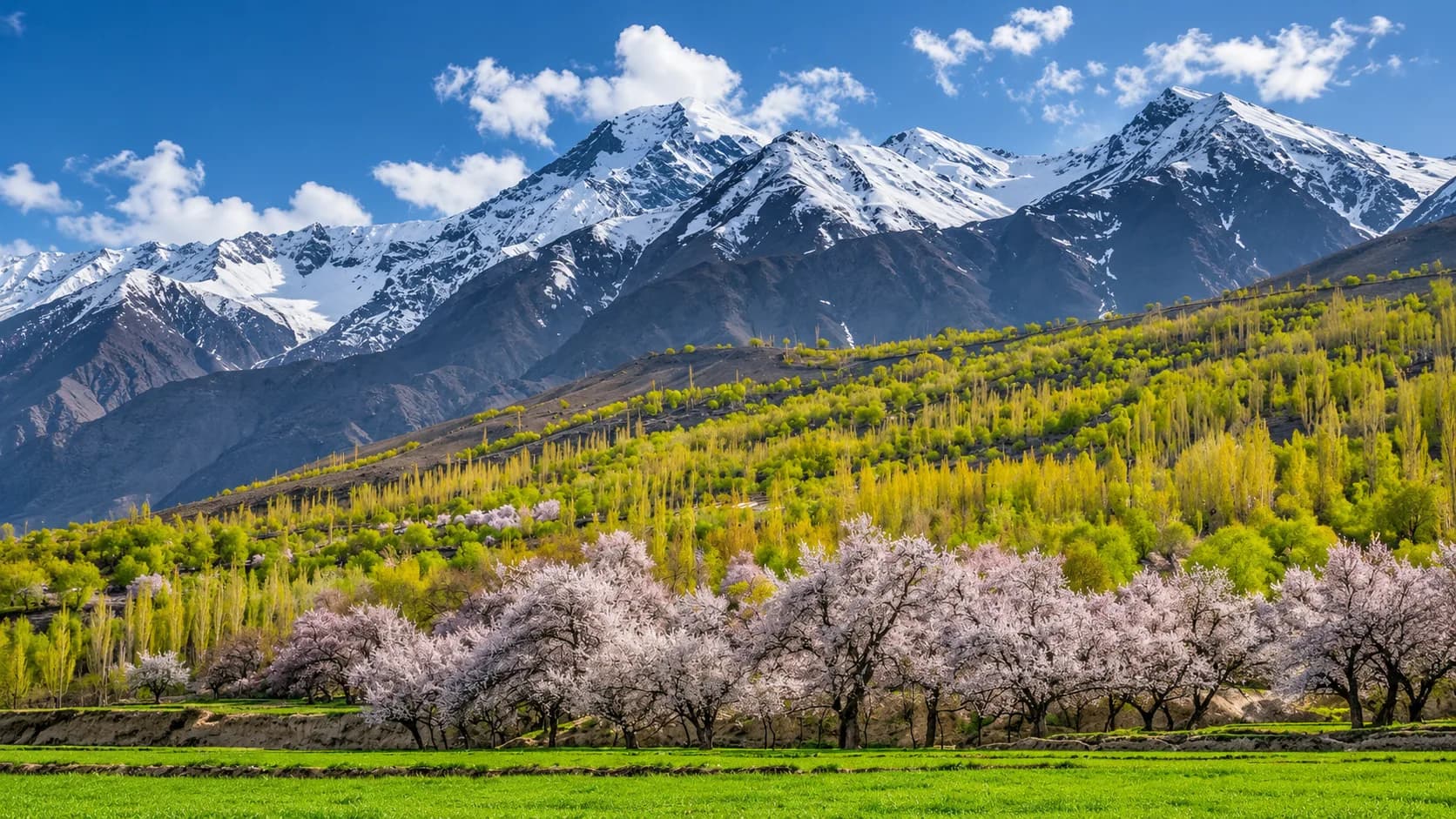
The 2026 tourism boom is largely a reaction to "overtourism." Viral images of traffic jams on Mount Everest have pushed serious adventure travelers to look for alternatives. When comparing Gilgit-Baltistan (Pakistan) to the Khumbu Region (Nepal), the differences are stark.
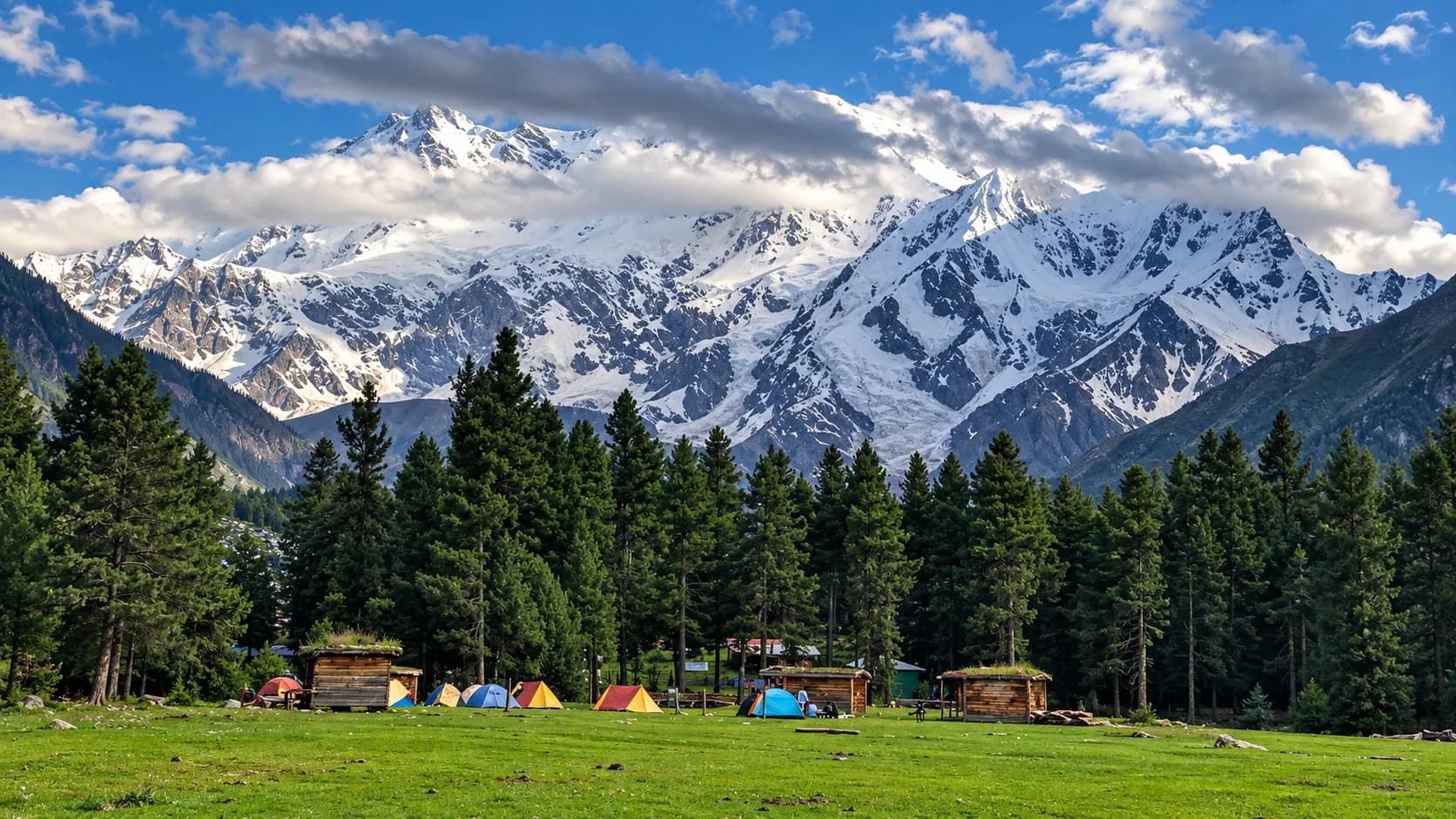
Trekking to Everest Base Camp means walking on heavily maintained trails, sleeping in established teahouses with Wi-Fi, and sharing the path with thousands of other trekkers. In contrast, the K2 Base Camp Trek in Gilgit-Baltistan is a true wilderness expedition. There are no teahouses on the Baltoro Glacier. You sleep in tents on the ice, navigate shifting moraines, and rarely see other groups. It is rougher, more demanding, and significantly more isolated. For modern travelers seeking absolute wilderness, the lack of commercial infrastructure in the Karakoram is its biggest selling point.
Infrastructure Meets Authenticity
A destination cannot attract broader demographics without infrastructure, but too much development destroys authentic charm. Gilgit-Baltistan is currently sitting in the perfect middle ground.
- The Roads: The Karakoram Highway (KKH) has seen major paving upgrades, dramatically cutting travel times between Islamabad, Gilgit, and Hunza without sacrificing the thrill of the road trip.
- The Accommodations: The region has seen a surge in boutique, eco-friendly lodges. You can now spend the day trekking and spend the night in a heated, walnut-wood chalet overlooking the Indus River.
- The Culture: Despite the influx of tourism, the indigenous Wakhi and Balti communities have fiercely maintained their traditions of Mehman-nawazi (hospitality).
Safety and Responsible Tourism
Safety narratives surrounding Pakistan have shifted, aided by the overwhelming volume of positive, first-hand traveler content on platforms like YouTube. Gilgit-Baltistan is generally considered one of the safest regions in South Asia, characterized by incredibly low crime rates and communities that are deeply protective of guests. However, travelers should always check current government travel advisories, pack appropriately for extreme altitude, and respect local customs.
To experience this boom responsibly and bypass crowded domestic hotspots, we recommend traveling with experts. Our comprehensive Gilgit-Baltistan Tour 2027 is designed for this new wave of travelers. It focuses on sustainable local interactions and handles all local logistics so you can focus entirely on the scale of the Karakoram.
Planning your journey? Explore our related guides to build your itinerary:
- The Best Time to Visit Hunza & Gilgit-Baltistan
- Autumn in Hunza: The Fall Colors Guide
- What to Pack for Northern Pakistan
Frequently Asked Questions
Do I still need a Letter of Invitation (LOI) to visit Pakistan in 2026? For citizens of the 126 countries included in the August 2024 visa waiver program, a mandatory LOI is no longer required for standard tourist ETA applications. You simply need a confirmed hotel booking or tour itinerary. However, certain restricted border areas still require specialized No Objection Certificates (NOCs).
Why is Pakistan becoming more popular for trekking than Nepal? It offers a completely different experience. Travelers seeking untouched landscapes are drawn to Pakistan because it provides a true, raw wilderness expedition without the commercialized teahouses, crowded trails, and stone steps found on popular Nepalese routes.
Is Gilgit-Baltistan safe for foreign tourists? Many travelers report overwhelmingly positive and safe experiences in Gilgit-Baltistan, which operates distinctly from sensitive border zones in other provinces. While local crime is rare, the primary hazards are environmental (altitude and mountain roads). Always review current advisories and travel with licensed operators.