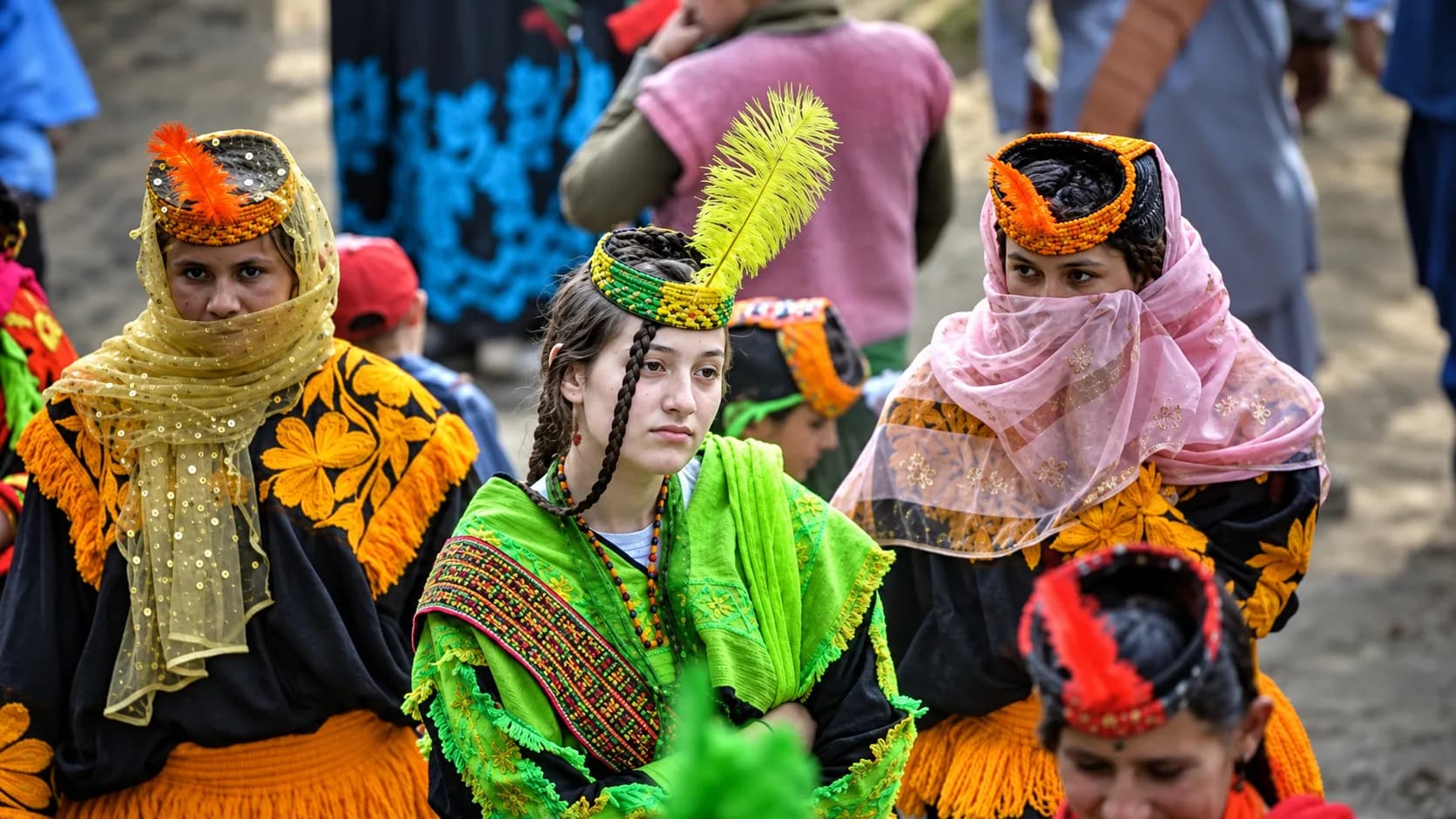
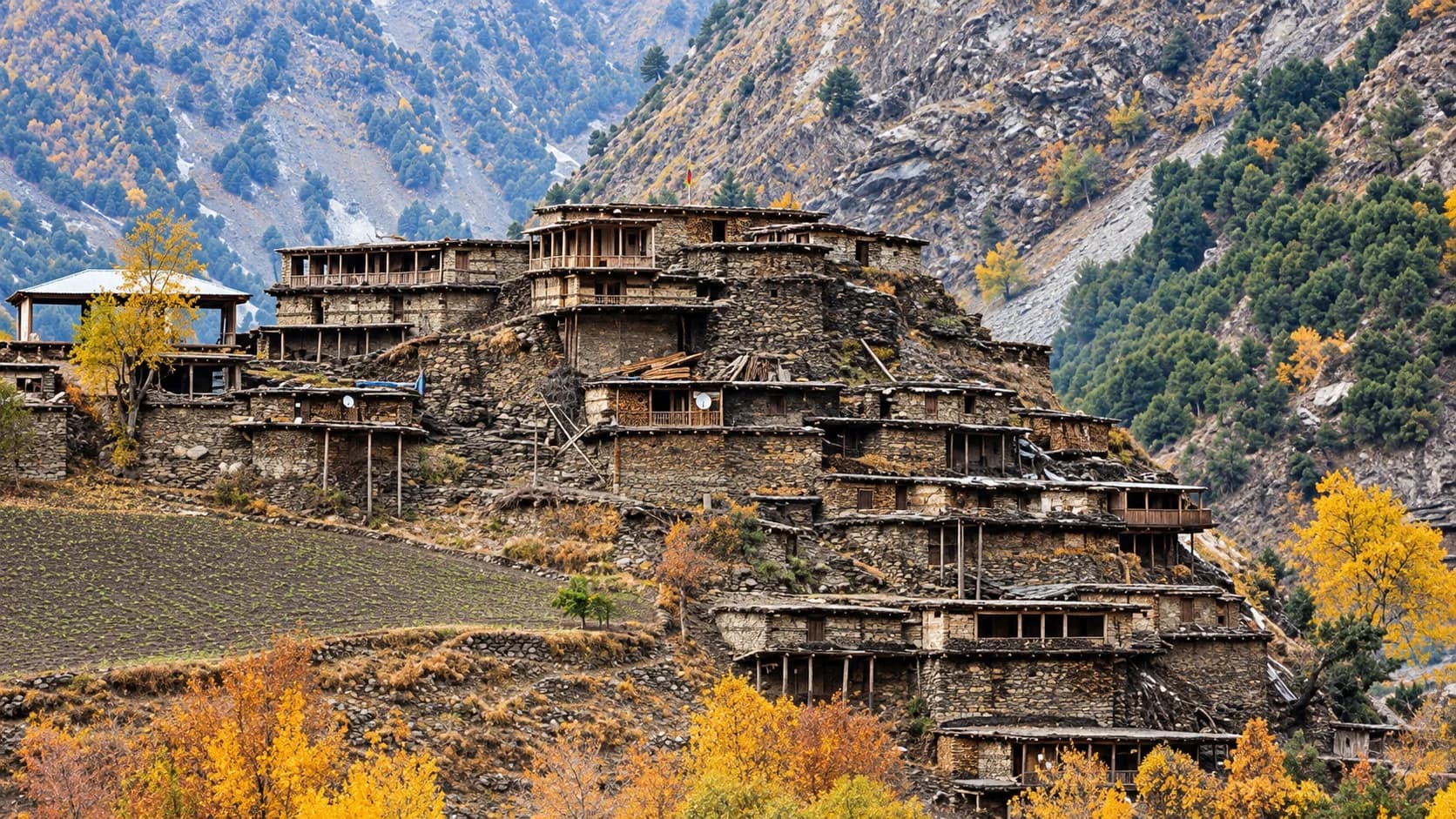
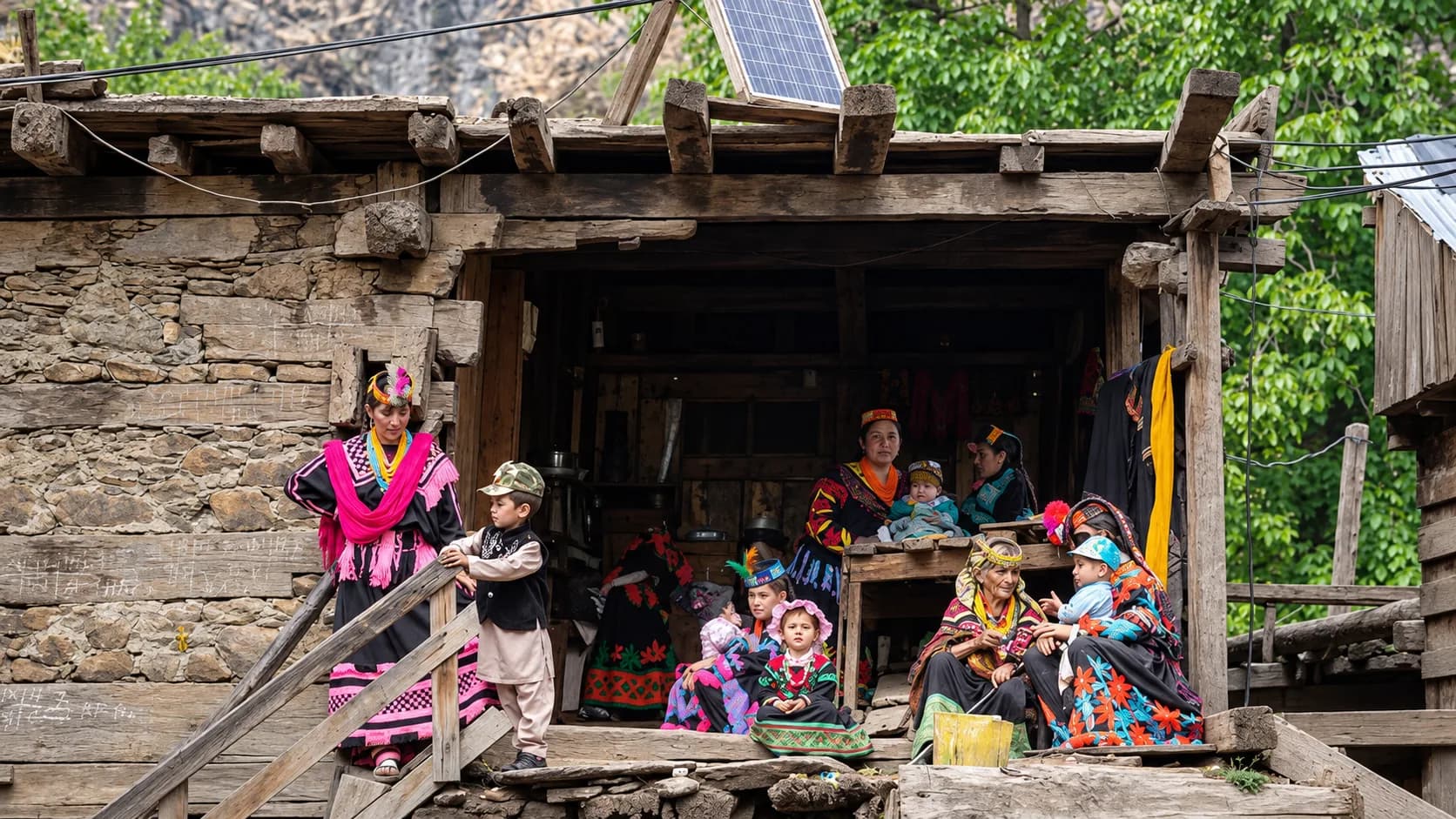
Tucked deep within the rugged Hindu Kush range of northwestern Pakistan, the three valleys of Kalash—Bumburet, Rumbur, and Birir—preserve a ancient civilization found nowhere else on earth. The Kalasha people represent Pakistan's smallest ethnoreligious minority. Practicing an indigenous polytheistic and animist faith, they have safeguarded their distinct language, vibrant embroidered attire, and centuries-old rituals against the passage of time.
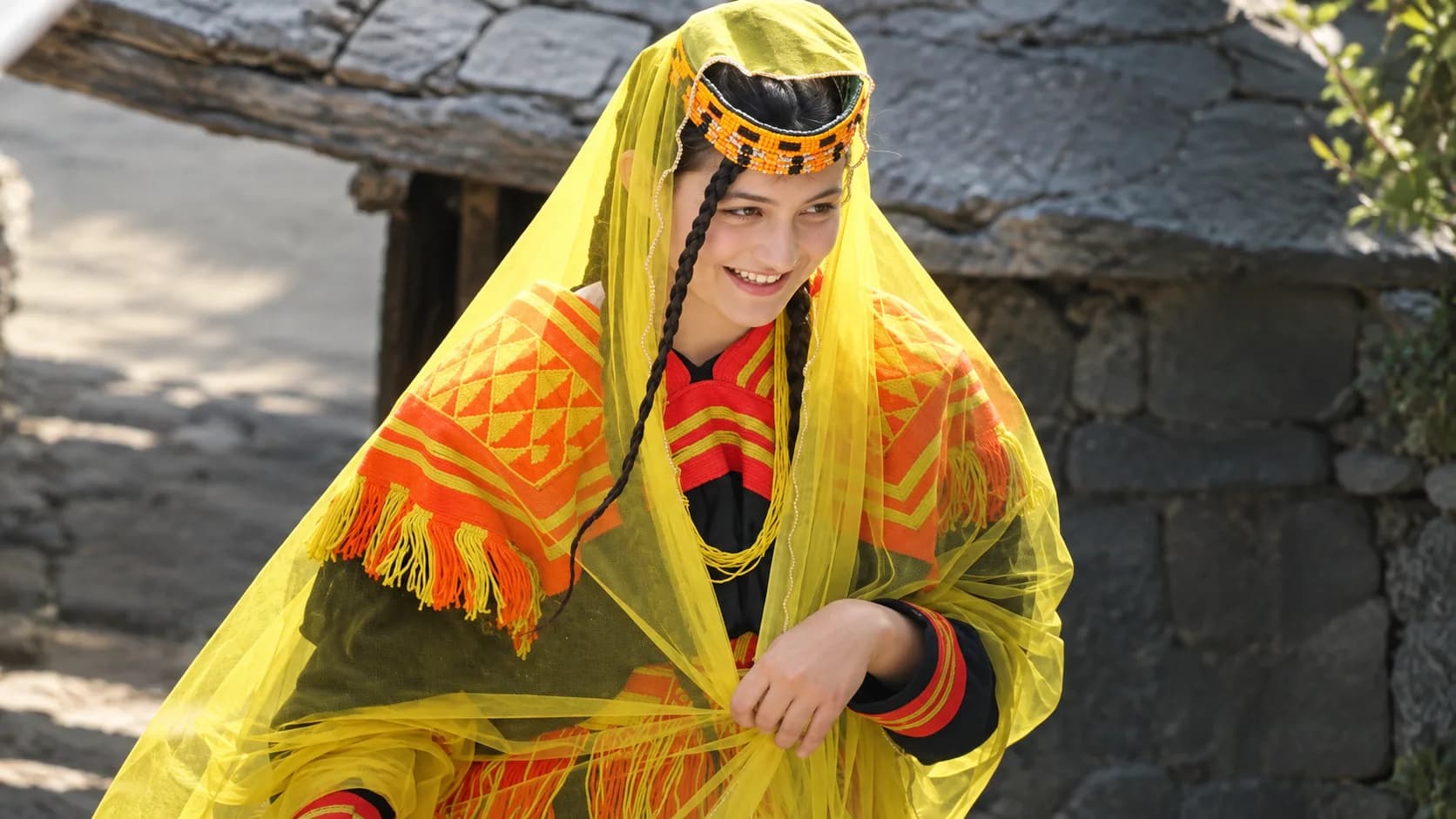
Visiting Chitral and the Kalash valleys is distinctly different from a conventional road journey along the Karakoram Highway. You are crossing into a separate watershed with different mountain passes, changing seasonal microclimates, unpaved cliffside tracks, and community-centered festival calendars. Whether you are traveling for springtime rituals or winter celebrations, here is an operational guide to planning your journey across 2026 and 2027.
Quick Answer: The best time to visit the Kalash Valleys is during their three major seasonal festivals: Chilam Joshi (mid-May), Uchal (late August), or Choimus (mid-December). Reaching the valleys requires driving from Islamabad via the Lowari Tunnel to Chitral town, followed by a dedicated 4x4 transfer on unpaved mountain tracks. To manage remote accommodations and rough transit, travelers typically join an organized Kalash Valley tour lasting 7 to 9 days.
The 2026–2027 Kalash Festival Calendar
While the valleys welcome visitors throughout the warmer months, experiencing a seasonal festival is the cultural peak of any Chitral journey. The Kalasha mark cyclical seasonal changes through rhythmic drum dances, communal feasts, and ancient ancestral offerings recognized by UNESCO on the Representative List of the Intangible Cultural Heritage of Humanity.
| Festival | Typical Dates | Cultural Meaning & Atmosphere |
|---|---|---|
| Chilam Joshi (Spring) | May 13 – May 16 | Welcomes the arrival of spring and seeks divine protection for agricultural crops and livestock. Characterized by bright attire, fresh flower crowns, vibrant village dancing, and matchmaking ceremonies among young Kalasha. |
| Uchal (Summer) | August 18 – August 22 | Celebrates the harvest of wheat and fresh mountain cheese brought down from high-altitude summer pastures. Features nocturnal drum-led circle dances in village courtyards (Charsue) and thanksgiving prayers. |
| Choimus / Chitrimas (Winter) | December 15 – December 22 | The winter solstice celebration and most sacred ancestral observance. Involves ritual cleansings, torchlit night processions, song exchanges, and bonfires. The valley is snowy and quiet, with very few outside visitors. |
Road Logistics: The Lowari Route vs. The Valley Jeep Tracks
Reaching Chitral historically ranked among the most daunting road journeys in Pakistan due to the notorious Lowari Pass switchbacks, which routinely closed for over half the year under heavy snowpack. Today, travel logistics are dramatically streamlined:
- Islamabad to Chitral via Lowari Tunnel: The 10.4-kilometer Lowari Tunnel on the N-45 highway provides a reliable, all-weather artery connecting Khyber Pakhtunkhwa's lower districts directly to the Chitral basin. The complete drive from Islamabad or Peshawar averages 8 to 10 hours on largely paved roads.
- Chitral Town to the Kalash Valleys: Leaving Chitral town for Bumburet or Rumbur requires transitioning off the highway onto narrow, rock-cut canyon roads. These tracks are single-lane, prone to rockfall during rains, and strictly unsuitable for standard passenger sedans.
- Vehicle Requirements: Sturdy 4x4 jeeps with experienced mountain drivers are mandatory for navigating the approach tracks into Ayun, Bumburet, and Birir.
Because transit logistics require coordinate handoffs between highway coasters and mountain jeeps, our guided Kalash Valley Tour 2027 includes pre-screened private fleet transport and local drivers familiar with passing etiquette on narrow cliff roads.
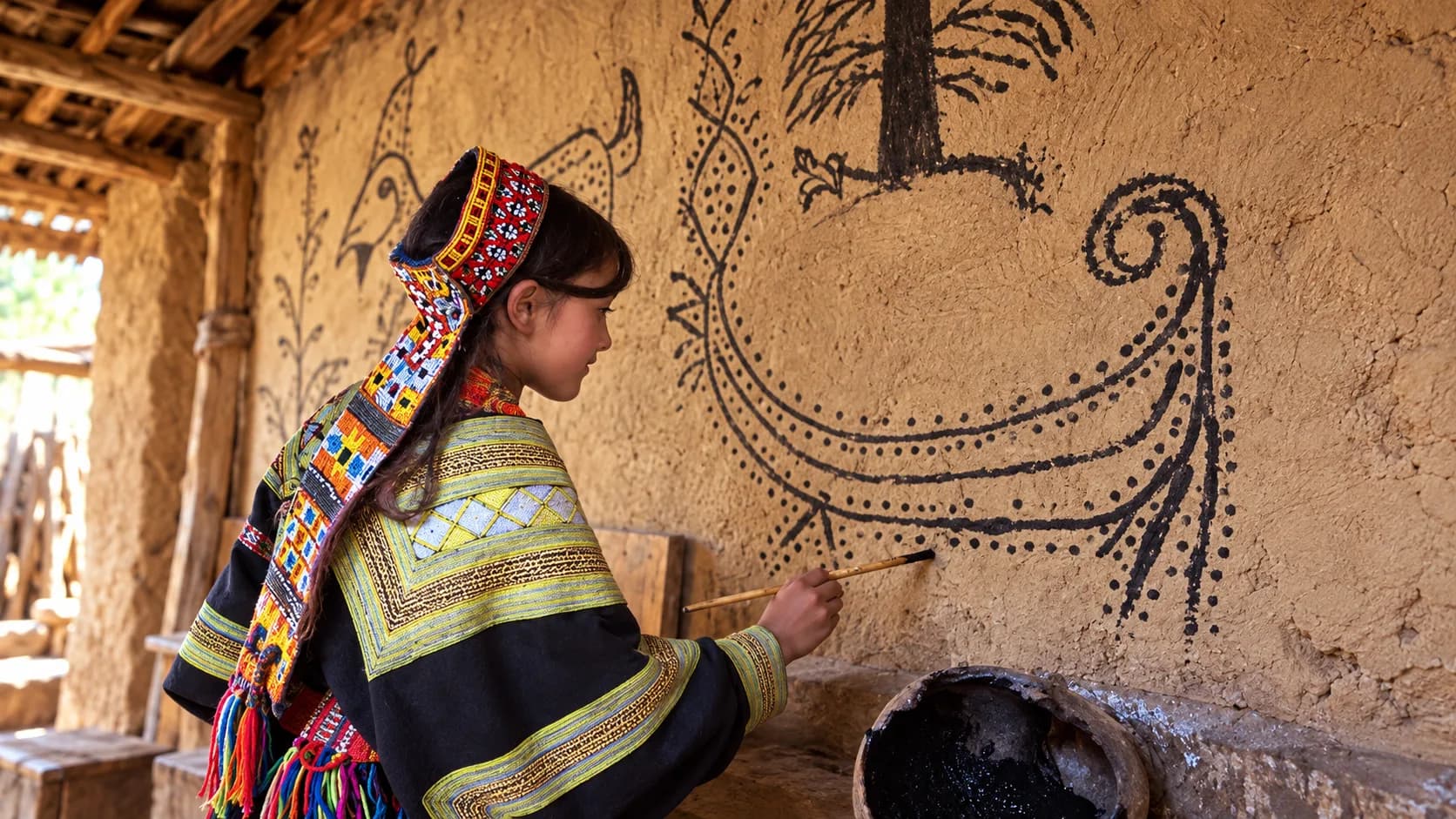
Chitral Highlights Beyond the Festivals
While the indigenous Kalash communities are the cultural anchor of the region, the greater Chitral district boasts significant historical sites worth exploring before returning south:
- Chitral Shahi Mosque: Situated along the Chitral River, this grand red-brick mosque constructed under the Mehtar of Chitral features ornate minarets and expansive courtyards framed by towering mountain peaks.
- Chitral Fort: The ancestral seat of the former princely state’s rulers, known for its strategic position along the river and deep historical involvement in regional defense during the 19th-century Great Game.
- Shandur Pass Route: Travelers touring between late June and early August can extend their route eastward toward Gilgit over the 3,700-meter Shandur Pass—famous as the venue for the high-altitude Shandur Polo Festival.
Responsible Travel Etiquette in the Valleys
With an estimated community size of roughly 3,000 to 4,000 individuals, the Kalash valleys represent a delicate cultural landscape. Increased seasonal tourism demands thoughtful travel manners from all domestic and international guests:
- Always request consent for photos: Never point cameras or phones directly at local women, elders, or religious celebrants without verbal permission. Respect private homes and village courtyards.
- Respect sacred spaces: Certain locations—such as community temples (Jastakhan), ancestral altars, and the traditional bashali (seclusion homes for women during menstruation and childbirth)—are strictly private or restricted to non-Kalash visitors.
- Support local enterprise: Purchase locally crafted woven belts, bead necklaces, and dried fruits directly from village artisans to ensure tourism spending supports family livelihoods directly.
If you prefer a seamless, culturally conscious itinerary with confirmed accommodations in Bumburet or Rumbur, explore our full Kalash Valley Tour 2027 departures.

Frequently Asked Questions
Are foreign tourists permitted to visit Chitral and the Kalash Valleys? Yes. Chitral and the Kalash valleys are open to international tourists holding a standard Pakistan tourist visa. Standard security registration takes place at local police posts along the N-45 route and at the entry gate into the Ayun valley, where authorities record travel itineraries for visitor assistance.
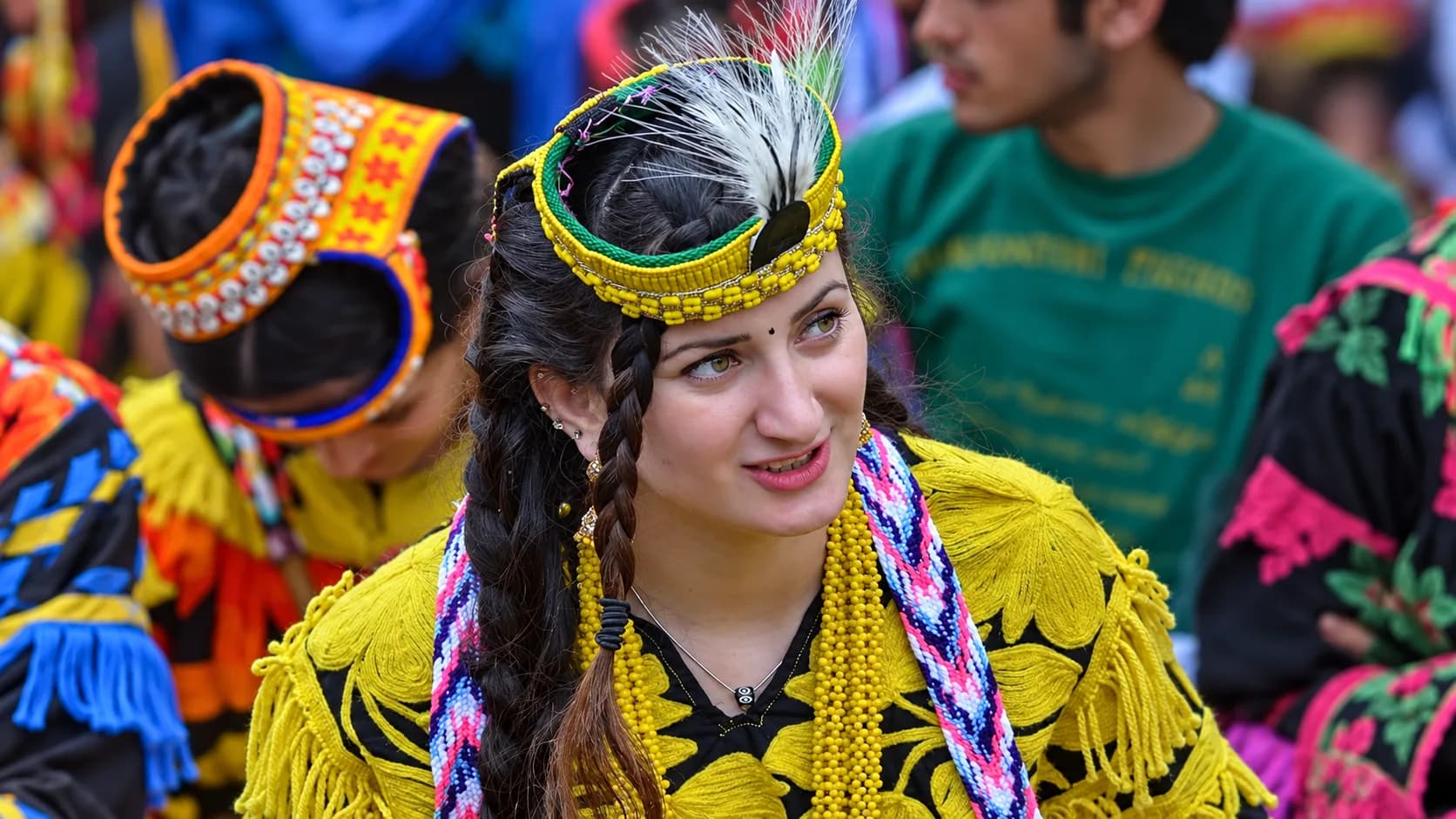
What types of accommodation are available in the Kalash Valleys? Bumburet has several family-run guest houses, small hotels, and community homestays offering clean, comfortable rooms, en-suite bathrooms, and home-cooked meals. Rumbur and Birir offer simpler, rustic lodge facilities that provide an intimate cultural perspective.
Can I fly to Chitral instead of driving? Pakistan International Airlines (PIA) operates regional flights from Islamabad to Chitral Airport. However, these mountain flights require clear visibility across high peaks and face frequent delays or cancellations due to inclement weather. We always maintain private overland road transport as the primary or backup itinerary for all departures.
Which of the three valleys should I visit? Bumburet is the largest valley with the most developed tourism amenities and easier access. Rumbur is smaller, more traditional, and favored by photographers seeking authentic village rhythms. Birir is the most secluded and retains traditional architectural layouts. Many travelers opt to split their time between Bumburet and Rumbur.
**Expert Review:** Reviewed for 2026–2027 operational accuracy by Ayesha Malik, Trip Planning Lead at Elham Asia. Specializing in Hindu Kush cultural journeys, Lowari corridor logistics, and responsible indigenous tourism across Chitral.