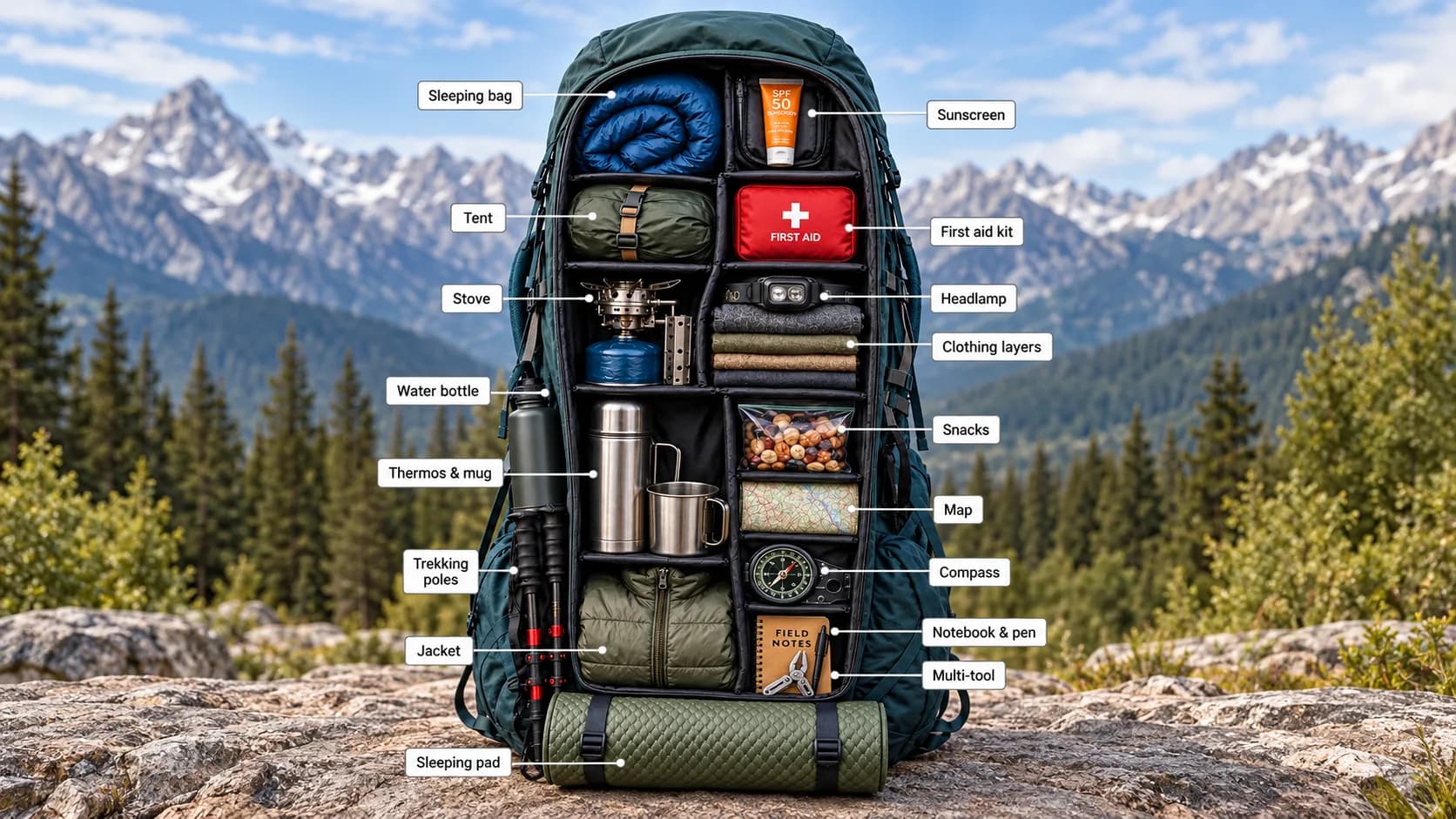
Packing for Pakistan requires balancing two distinct extremes: navigating the modest cultural dress codes of a conservative nation, and preparing for the volatile, high-altitude weather of the Karakoram and Himalayan mountain ranges. If you are traveling from the humid, bustling plains of Lahore all the way up to the glacial winds of the Khunjerab Pass, your suitcase needs to be highly versatile.
One of the most frequent questions we receive from international guests is how to dress respectfully without sacrificing comfort on the trekking trails. Based on years of guiding foreign travelers across Gilgit-Baltistan and Khyber Pakhtunkhwa, here is the definitive 2026–2027 packing and dress code guide for northern Pakistan.
Quick Answer: For daily wear, both men and women should pack loose-fitting, breathable clothing that covers the shoulders and knees. Female travelers do not need to cover their heads in public, but carrying a light scarf (dupatta) is essential for visiting mosques or conservative rural villages. For the mountains, utilize a 3-layer system: moisture-wicking base layers, a warm fleece mid-layer, and a wind/waterproof outer shell, alongside broken-in hiking boots.
The Cultural Dress Code: What to Wear
For Female Travelers
- The Golden Rule: Keep your shoulders, cleavage, and knees covered. Tight-fitting clothing, crop tops, and short shorts should be left at home.
- The Local Option: We highly recommend purchasing a local Shalwar Kameez (a loose tunic worn over baggy trousers) upon arrival. They are inexpensive, incredibly comfortable for long drives, and wearing one guarantees you will receive wide smiles and immediate respect from locals.
- Head Coverings: You are not required by law or custom to cover your hair in public spaces, hotels, or on the trail. However, you must cover your head when entering mosques or religious shrines. Always keep a light scarf tucked in your daypack.
For Male Travelers
- Trousers vs. Shorts: In cities (Islamabad, Lahore) and rural villages, men traditionally wear long pants or a Shalwar Kameez. Wearing shorts in bazaars or villages is considered culturally inappropriate and akin to walking around in underwear.
- On the Trail: Once you are out on a dedicated trekking trail (like the route to Fairy Meadows or Baltoro), standard hiking shorts are perfectly acceptable for men.
The Layering System for Northern Pakistan
If you are joining our Northern Pakistan Grand Tour, you will experience massive temperature fluctuations. You might experience 30°C (86°F) in Islamabad and 0°C (32°F) at the Khunjerab Pass in a single trip. The secret to packing light is the 3-layer system.
| Layer Type | What to Pack | Purpose |
|---|---|---|
| 1. Base Layer | Merino wool or synthetic long-sleeve shirts and leggings. (Avoid cotton). | Wicks sweat away from your body during strenuous daytime hikes. |
| 2. Mid Layer | A high-quality fleece jacket or a packable down puffer jacket. | Traps body heat for chilly evenings in Hunza or Skardu. |
| 3. Outer Shell | A lightweight, breathable Gore-Tex (or similar) windbreaker/rain jacket. | Blocks high-altitude glacial winds and sudden monsoon rain showers. |
Essential Footwear
Do not underestimate the ruggedness of the terrain in Gilgit-Baltistan. Even if you are not doing a major expedition, sightseeing often involves walking over loose scree, cobblestones, and unpaved paths.
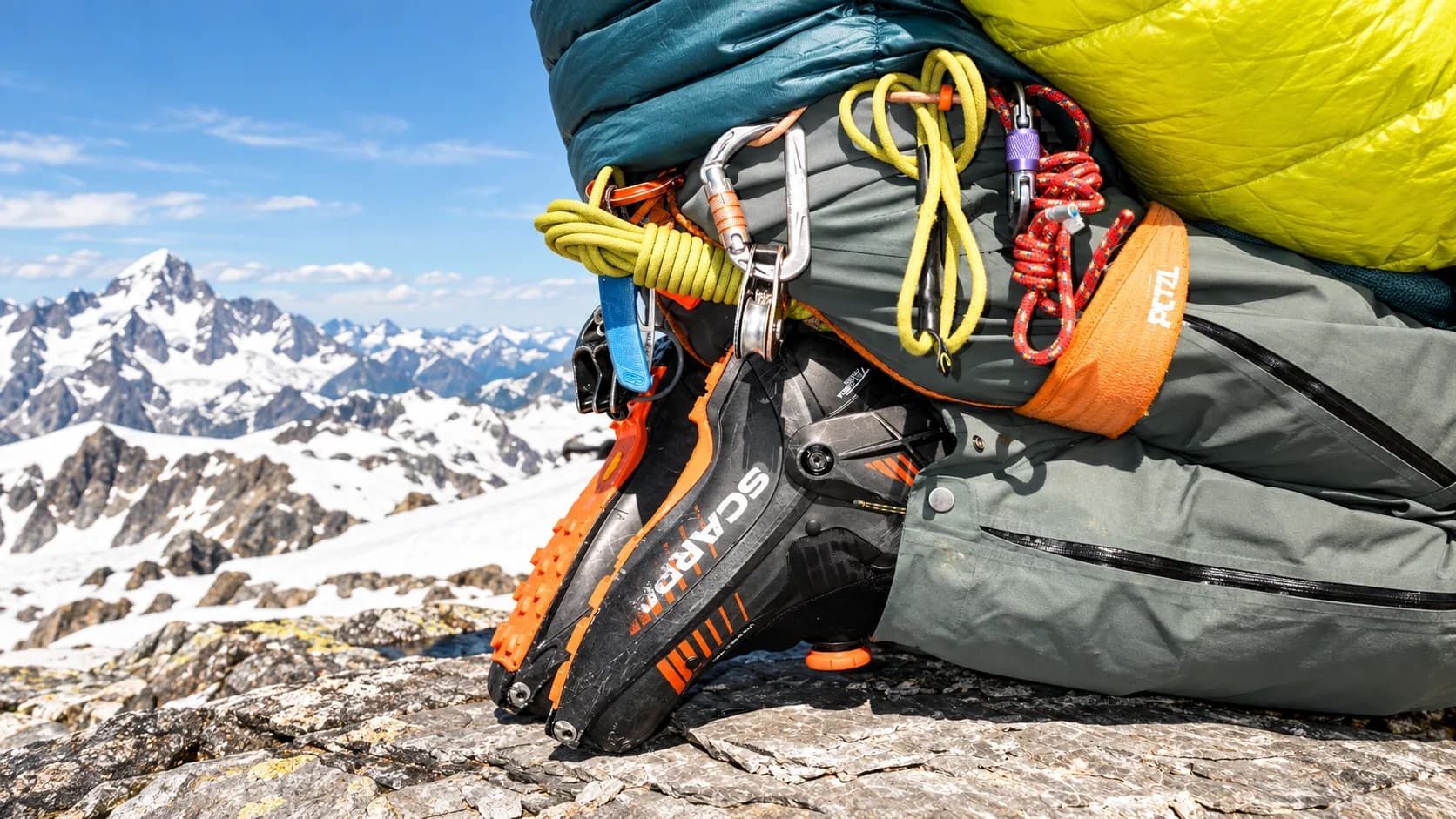
- Sturdy Hiking Boots: Essential for protecting your ankles. Make sure they are waterproof and, most importantly, thoroughly broken in before you arrive to prevent blisters.
- Comfortable Slip-Ons or Sandals: You will frequently need to take your shoes off when entering mosques, local homes, and traditional carpeted dining areas. A pair of slip-on shoes or trekking sandals will save you a lot of hassle.
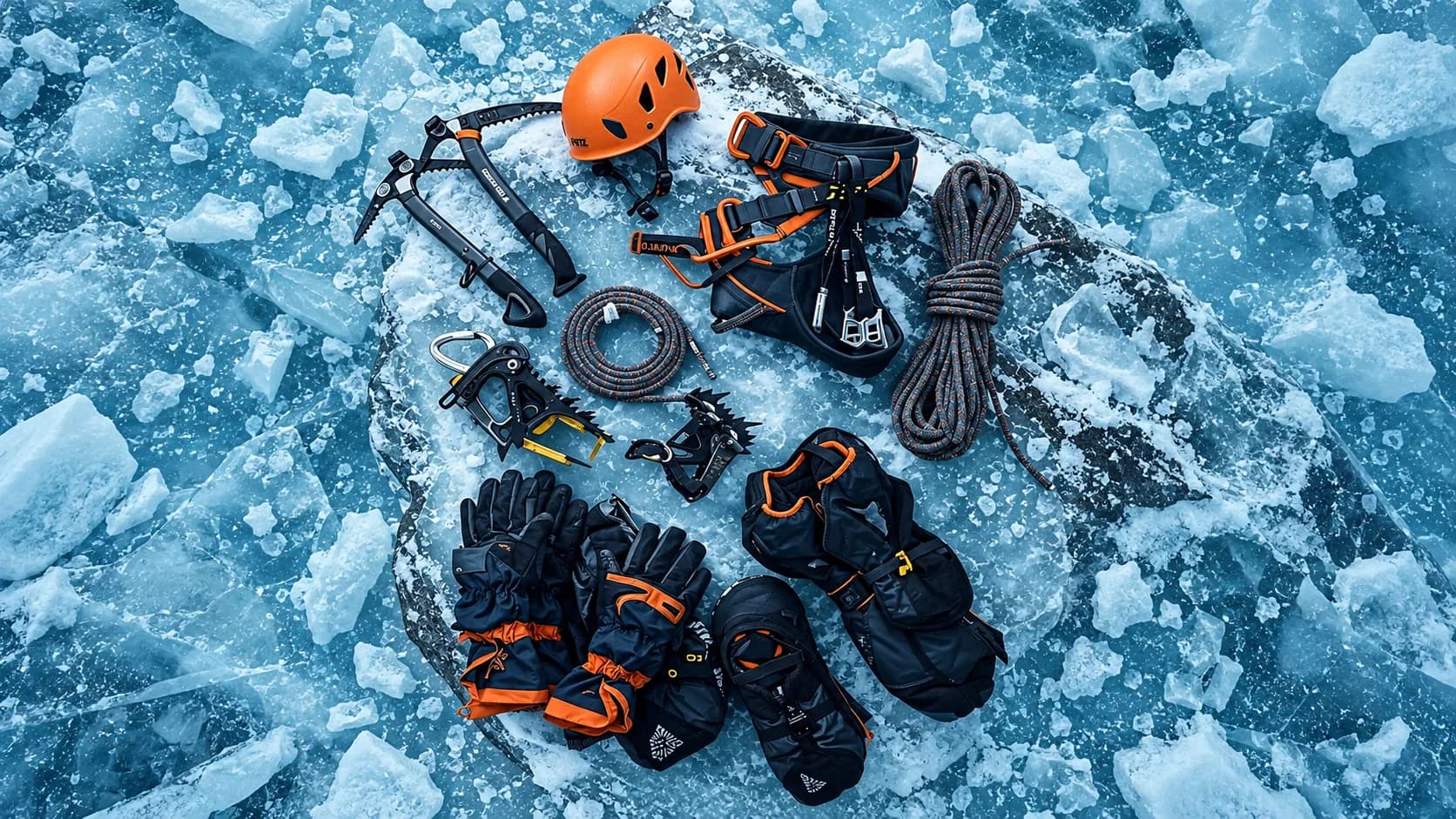
Tech, Toiletries & Miscellaneous Gear
When you head deep into the Karakoram, certain conveniences disappear. Be sure to pack:
- Power Bank: Rolling power outages (load shedding) are common in remote mountain towns. A high-capacity power bank (10,000mAh+) ensures your phone and camera stay charged.
- Universal Travel Adapter: Pakistan generally uses Type C and Type D outlets (the two- or three-round-pin sockets common in Europe and India).
- Water Filtration: Tap water is not safe to drink anywhere in Pakistan. While bottled water is widely available, bringing a filtered water bottle (like a LifeStraw or Grayl) drastically reduces plastic waste on your trip.
- Personal Medical Kit: Bring your own supply of rehydration salts (ORS), anti-diarrhea medication, ibuprofen, and Diamox (if you are prone to altitude sickness), as specific brands can be hard to find outside major cities.
Packing for Specific Itineraries
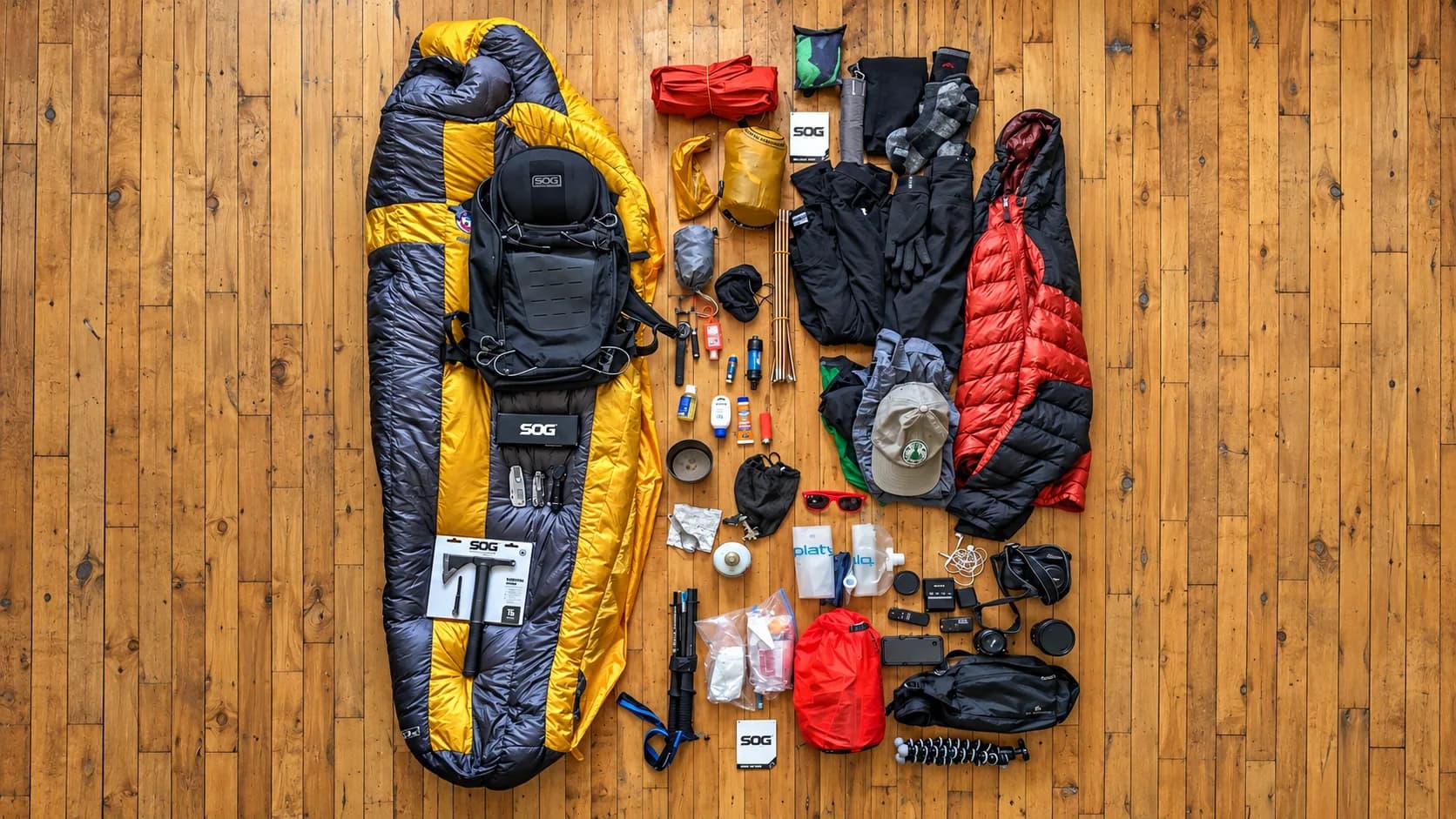
If your itinerary focuses heavily on cultural sightseeing and luxury mountain lodges (like our 10-Day Hunza & Skardu Tour), you can prioritize comfortable, loose casual wear and a good fleece for the evenings. However, if you are attempting a high-altitude trek, you will need to add a four-season sleeping bag, trekking poles, and thermal base layers to your list.
Frequently Asked Questions
Can I wear jeans in Pakistan? Yes, jeans are perfectly fine for both men and women. However, they are heavy and take a long time to dry if you get caught in the rain. Lightweight, breathable travel pants are generally much more comfortable for long road trips on the Karakoram Highway.
Do I need to pack formal clothes? Unless you are attending a local Pakistani wedding or a high-end diplomatic event in Islamabad, no. The travel culture in Pakistan is very casual and practical. Clean, modest daytime clothing is acceptable in all hotels and restaurants.
Can female tourists wear makeup and jewelry? Absolutely. Pakistani women love fashion, makeup, and jewelry. There are no restrictions on cosmetics, but it is wise to leave expensive or flashy jewelry at home simply to avoid losing it during outdoor adventure activities.
**Expert Review:** Reviewed for 2026–2027 cultural accuracy and expedition readiness by Ayesha Malik, Trip Planning Lead at Elham Asia. Specializing in guest preparation, local community etiquette, and high-altitude packing logistics.